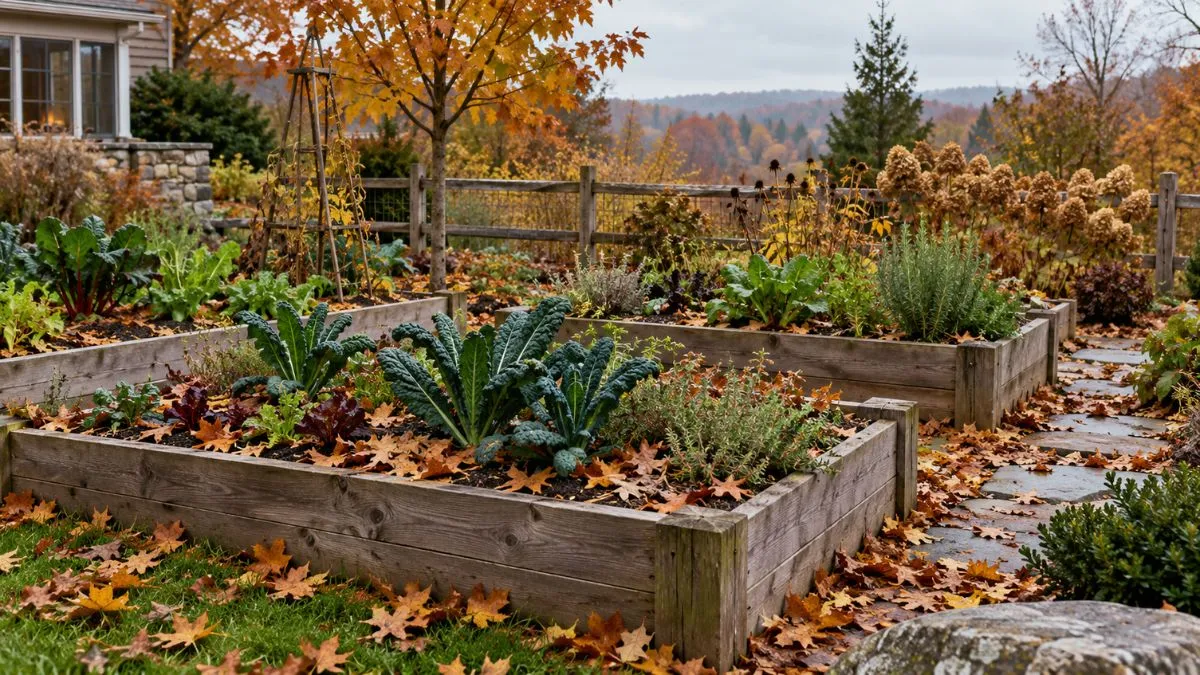
When summer vegetables stop producing and the first cold nights arrive, it is tempting to put away your gardening tools and leave everything for spring. But the way you prepare your garden in fall can influence how well your soil holds up through winter, which plants return successfully, and how much work you face when the next growing season begins.
Knowing how to winterize a garden is especially useful for American gardeners who experience freezing temperatures, winter rain, snow, or repeated temperature swings. The right approach depends on your USDA hardiness zone, the plants growing in your yard, and how quickly your local weather changes. A garden in Minnesota needs a different level of protection from one in Georgia or coastal North Carolina.
The goal is not to strip every bed bare. Instead, fall is the time to remove potential sources of disease, protect exposed soil, and give plants the conditions they need to survive winter without creating unnecessary work.
When Should You Winterize Your Garden?
The best time to winterize a garden is usually in fall, while the soil remains workable and before a hard freeze makes outdoor tasks more difficult. In colder parts of the United States, preparation may begin in September or October. Gardeners in milder regions can often continue into November or later.
Rather than following a fixed calendar, pay attention to local weather forecasts and the plants in your garden. The first light frost may damage warm-season vegetables without harming established hardy perennials. A prolonged freeze, on the other hand, can affect exposed roots, containers, and irrigation equipment.
Your local first-frost date is a useful starting point, but it is not a guarantee. Check your regional forecast and prioritize tasks that would become difficult or risky after temperatures drop.
Clean Up the Garden Without Removing Everything
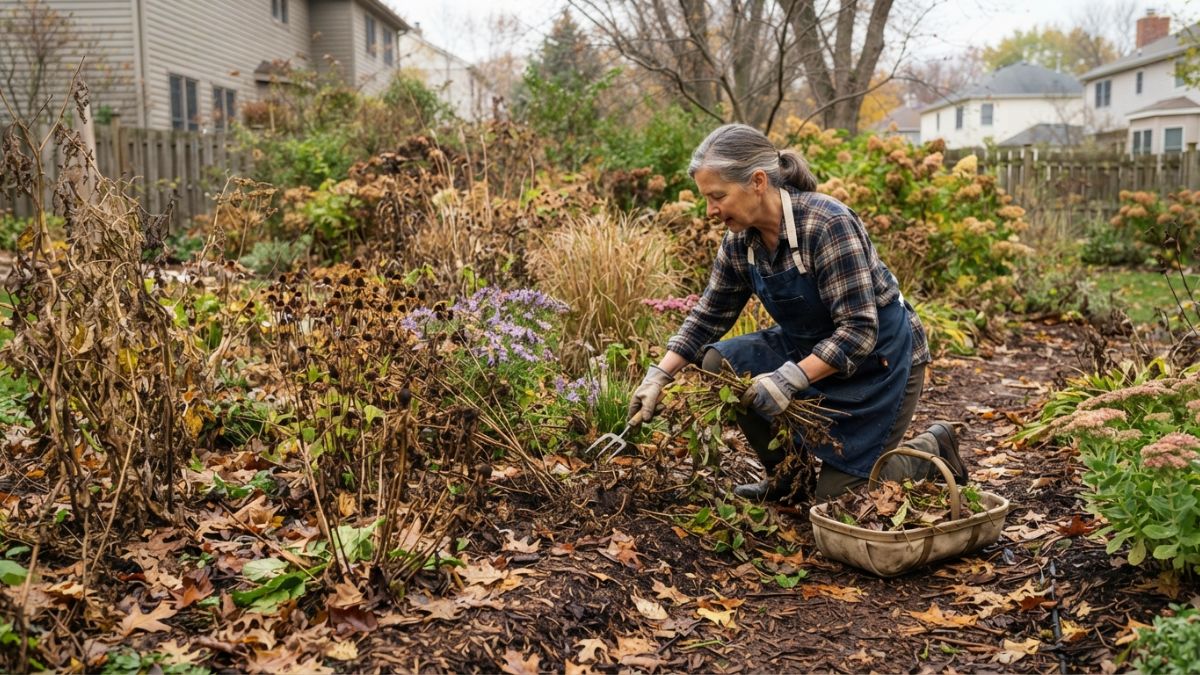
One of the most important parts of fall garden preparation is deciding what should stay and what needs to go. Tomato plants that have finished producing, spent cucumber vines, and other declining annual vegetables can usually be removed once they are no longer productive.
Pay particular attention to plants that developed persistent problems during summer. Tomato foliage affected by serious disease, for example, should not be left scattered across the bed. Removing infected material reduces the amount of potentially contaminated debris remaining in the garden.
Diseased plants are best kept out of a typical home compost pile unless the composting process is specifically managed to destroy pathogens. Follow local disposal guidance where necessary.
Healthy plant material deserves a different approach. Seed heads, hollow stems, and some fallen leaves provide shelter or food for beneficial insects and birds during winter. Instead of clearing every corner, consider leaving selected healthy plants standing in ornamental beds. This creates a more wildlife-friendly garden while still allowing you to remove material that could cause problems next season.
Prepare Garden Soil Before Winter
Healthy soil is one of the most valuable things you can carry from one gardening season into the next. Fall offers an opportunity to improve its structure and organic matter content without rushing to plant another crop immediately.
If your vegetable beds have supported heavy growth throughout summer, a layer of finished compost can help replenish organic matter. Spread it across the soil surface and allow natural processes to work over the colder months. There is usually no need to dig deeply through every bed simply to incorporate compost.
A soil test is particularly useful if your plants struggled with poor growth, unusual leaf discoloration, or inconsistent production. Testing through a local cooperative extension service can help you understand whether your soil needs adjustments to pH or particular nutrients. Avoid adding lime, phosphorus, or other amendments automatically, because unnecessary applications can create imbalances.
Once you have improved the soil where needed, focus on protecting its surface. Leaving garden beds completely bare exposes them to erosion from winter rain, wind, and melting snow. On sloped ground, that can mean losing valuable topsoil before spring planting even begins.
Why Mulch Matters During Winter
Mulching is one of the most practical ways to prepare a garden for winter, but the purpose is broader than making beds look tidy. Organic mulch helps moderate soil temperature, reduce erosion, and limit the repeated freezing and thawing that can disturb plant roots.
Shredded leaves are particularly useful because they are readily available in many American yards during fall. Straw can work well in vegetable beds, while other materials may suit ornamental plantings. Choose clean mulch appropriate for the plants and avoid material that contains mature weed seeds or contaminated plant debris.
Apply mulch after the soil has begun to cool rather than covering warm soil excessively early. Around established perennials, spread a moderate layer over the root zone without piling it against the crown or stems. Excessive moisture trapped around plant bases can encourage rot.
In regions where winter temperatures fluctuate dramatically, mulch can help reduce sudden changes in soil temperature. This is particularly helpful for shallow-rooted plants and newly established perennials that have not yet developed extensive root systems.
Should You Cut Back Perennials Before Winter?
Not necessarily. Cutting back every perennial in fall is one of the easiest ways to create extra work without improving the garden.
Some plants benefit from being trimmed after their foliage dies back, particularly when diseased leaves need to be removed. Others are better left standing until spring. Ornamental grasses, coneflowers, and similar plants can provide winter interest, shelter for wildlife, and seed for birds.
The decision should depend on the plant's health and growing requirements. If a perennial suffered from a disease that survives on foliage, removing affected material may be sensible. If the plant is healthy and its stems provide useful winter habitat, leaving them intact can be beneficial.
Tender perennials may need additional protection, especially in climates colder than their normal hardiness range. Mulch, sheltered positioning, or other suitable protection can help, but the correct method varies by species. Avoid assuming that every plant sold as a perennial will survive the winter in every American climate.
Give Your Vegetable Garden a Different Kind of Winter Rest
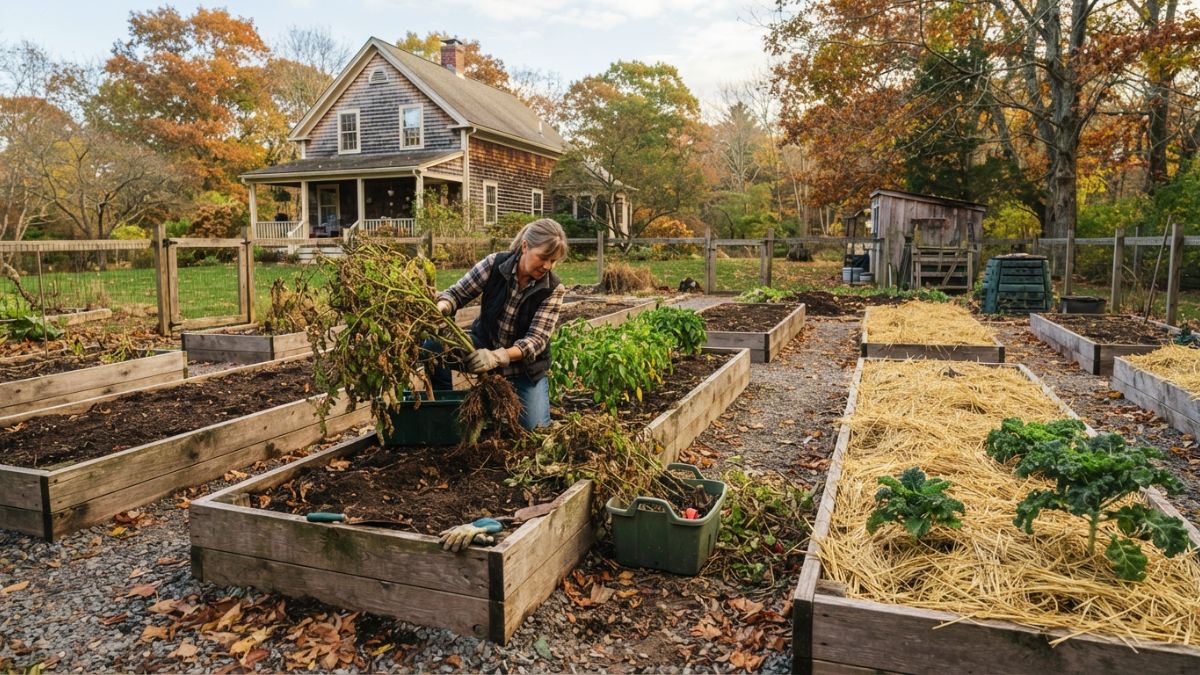
A vegetable garden often needs more attention than ornamental beds because annual crops leave open spaces once harvesting ends. After removing finished tomatoes, peppers, squash, and beans, inspect the bed for weeds, remaining fruit, and signs of disease.
This is also a good time to think about what grew in each location. If tomatoes occupied one bed throughout summer, record that information before you forget it. Rotating crop families in future seasons can help reduce some recurring pest and disease problems, although rotation alone will not solve every garden issue.
In suitable climates, cover crops can be an alternative to leaving vegetable beds bare. Plants such as cereal rye or certain clovers can protect the soil and contribute organic matter. However, selection and planting dates matter. A cover crop planted too late may not establish properly before cold weather, while one that grows aggressively can require careful management before spring planting.
Where cover crops are impractical, a protective mulch layer is a straightforward alternative. The important thing is to avoid treating an empty vegetable bed as a reason to ignore the soil until spring.
How to Winterize Raised Garden Beds
Raised beds need many of the same preparations as traditional garden plots, but their exposed sides can make winter conditions more challenging. Soil in raised beds may experience temperature changes more quickly than soil at ground level, particularly in small beds surrounded by cold air.
After removing finished crops and dealing with diseased material, add compost if the soil needs it and protect the surface with mulch. There is generally no need to fill the bed to the top with new soil every fall. Instead, assess how much the soil level has settled and add material when necessary.
Inspect wooden bed frames for loose fasteners, damaged boards, or signs of decay. If your garden uses an irrigation system, follow the manufacturer's instructions for draining or protecting components before freezing weather arrives.
Covering a raised bed can be useful in certain situations, particularly when you want to exclude heavy rain, protect a prepared surface, or extend the growing season. However, a cover is not automatically necessary for every bed. Make sure any covering is appropriate for the material, climate, and purpose.
Protect Tools, Hoses, and Irrigation Equipment
Winter garden preparation should include the equipment that makes spring gardening possible. Soil left on shovels, pruners, and other tools can retain moisture and contribute to corrosion. Clean your tools, dry them thoroughly, and store them in a protected place.
Garden hoses should be disconnected, drained, and stored according to the manufacturer's recommendations. In freezing climates, water left in exposed irrigation components can expand and cause damage. Check the instructions for your particular system rather than assuming that every setup can be winterized in the same way.
These small maintenance tasks are easy to overlook when the garden itself demands attention, but completing them before severe weather arrives can prevent avoidable repairs.
Common Garden Winterization Mistakes
The biggest mistake is treating every garden as though it needs the same preparation. A cold-climate vegetable garden, a mild-winter ornamental border, and a collection of container plants have different needs.
Another mistake is leaving diseased debris in place because it appears harmless after plants stop growing. Some pests and pathogens can persist in plant residues, so a thoughtful cleanup is more useful than simply waiting for spring.
Overpruning is also worth avoiding. Some perennials benefit from spring cleanup, and removing all stems in fall can eliminate valuable wildlife habitat. Similarly, excessive mulch can trap moisture around crowns and stems rather than protecting them.
Finally, do not work garden soil when it is saturated. Digging or walking repeatedly on wet soil can damage its structure, leaving compacted areas that are harder to prepare for planting later.
A Better Start to Spring Begins in Fall
A well-winterized garden does not have to look perfectly clean. It needs to be prepared thoughtfully for the conditions ahead. Remove plants that are diseased or finished, improve the soil where necessary, protect exposed beds with suitable mulch, and give perennials and raised beds the attention their particular needs require.
When spring arrives, check for winter damage, assess the condition of your mulch, and wait until the soil is dry enough to work comfortably. Your fall preparation will not eliminate every gardening challenge, but it can give you a healthier starting point.
The best approach to winterizing a garden is simple: protect the soil, remove what could cause problems, preserve what benefits the garden, and adapt your work to your local climate. Those decisions can make the transition from fall to spring easier and help your garden enter the next growing season in better condition.