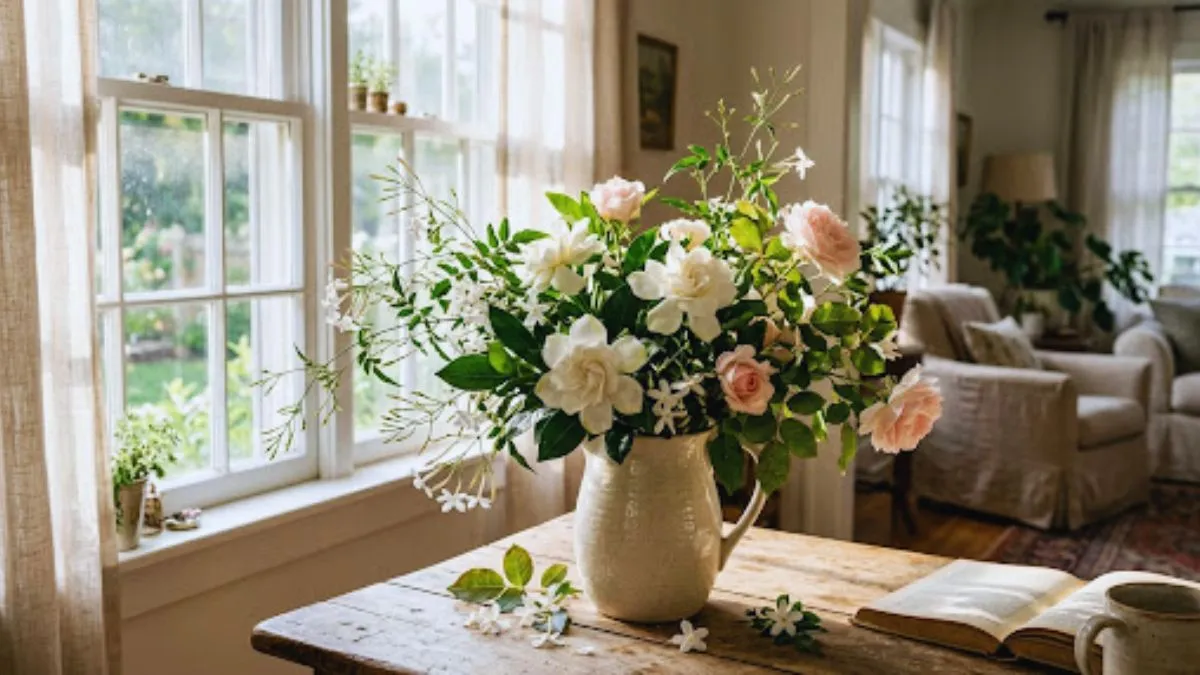
Some flowers can fill a room with a sweet, noticeable fragrance even when their blooms are small. Gardenias, jasmine, and certain roses are well known for their distinctive scents, but not every flowering plant smells equally strong. The reason comes down to the natural chemicals flowers release, the way those compounds move through the air, and the conditions in which a plant grows.
Flowers do not produce fragrance simply to make a home smell pleasant. Their scents evolved largely as a way to communicate with pollinators, including bees, butterflies, moths, and other insects. Some plants release more fragrance at particular times of day, while others become noticeably more aromatic when temperatures and humidity change.
Understanding how floral scents work can help you choose plants that bring a natural fragrance into your home without relying on artificial air fresheners.
Why Do Some Flowers Smell So Strong?
A flower's fragrance comes from tiny airborne chemicals known as volatile organic compounds, or VOCs. These compounds evaporate from the flower and travel through the air, eventually reaching your nose. Your sense of smell detects different combinations of these chemicals, allowing you to recognize scents as sweet, citrusy, spicy, fresh, or musky.
Plants produce these compounds for several biological reasons, especially to attract pollinators. A flower that releases an appealing scent at the right time may be more likely to attract an insect that helps transfer pollen to another flower.
Some flowers release fragrance from their petals, while others produce important scent compounds in specialized floral tissues. The exact process varies by species.
The strength of the fragrance depends on the types and amounts of chemicals a flower produces. It also depends on how quickly those compounds evaporate and disperse into the surrounding air. That is why one small flowering plant can make a room smell noticeably sweet, while a much larger plant may have almost no detectable fragrance.
Which Flowers Are Best Known for Their Fragrance?
Gardenias are among the best-known fragrant flowering plants. Their creamy white blooms often produce a rich, sweet scent that can be noticeable throughout a room. They are popular with people who enjoy strong floral fragrances, although gardenias can be demanding indoor plants. They generally need bright light, suitable humidity, and consistently moist but well-drained soil.
Jasmine is another favorite, especially varieties known for their intensely scented white flowers. Some jasmine species release a stronger fragrance in the evening, making them particularly appealing near a bright window or in a suitable outdoor seating area. However, not every plant sold under the name jasmine has the same scent or growing requirements, so identifying the species matters.
Roses offer a different range of fragrances. Depending on the variety, a rose may smell sweet, fruity, citrusy, or spicy. Some modern roses have been bred primarily for flower appearance, disease resistance, or long-lasting blooms, which means their fragrance can be much lighter than that of certain older varieties.
Lavender adds another option, with a recognizable herbal scent rather than a traditional sweet floral perfume. It generally needs abundant sunlight and excellent drainage, making it easier to grow outdoors or in a very sunny window than in a dim room.
The best choice depends on the type of fragrance you enjoy and the growing conditions available in your home. A strongly scented plant will not perform well simply because it smells wonderful; it still needs the right light, temperature, and moisture.
Why Do Some Flowers Smell Stronger at Certain Times of Day?
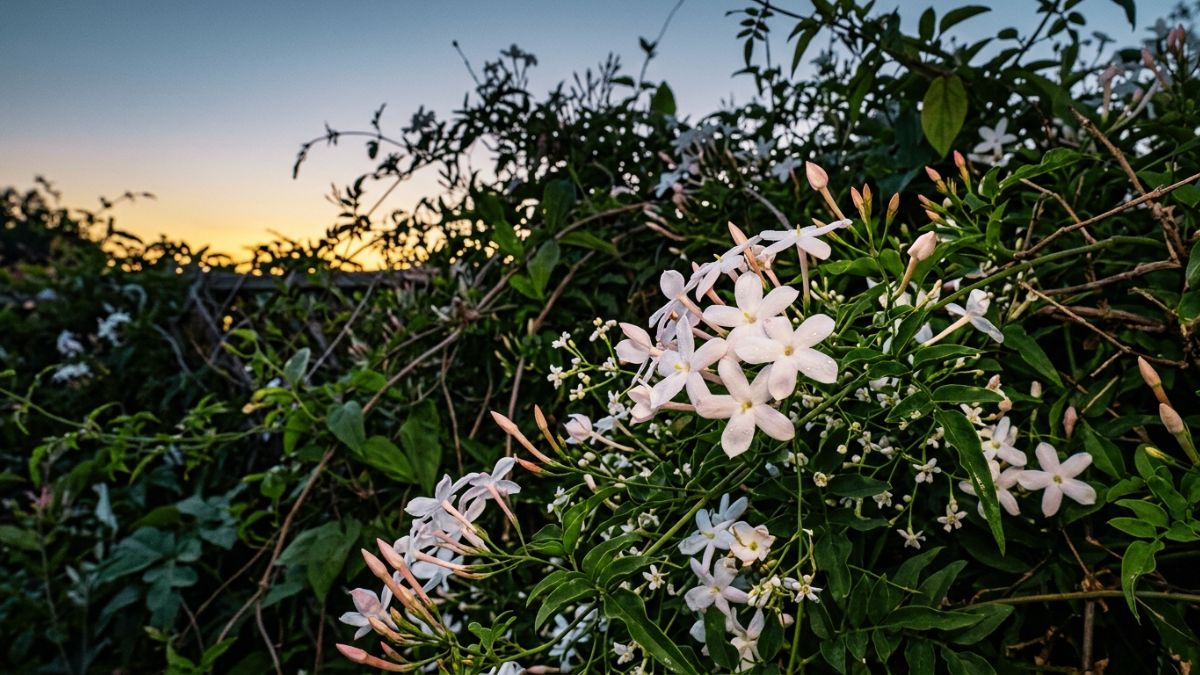
Have you ever noticed that a flower seems more fragrant in the evening than it did earlier in the day? In some plants, that difference is part of their natural pollination strategy.
Flowers pollinated by night-active moths may release more fragrance after sunset, when their potential pollinators are searching for food. Because visibility is limited in darkness, scent can become an especially useful signal that helps insects locate flowers.
Other flowers attract daytime pollinators and may produce fragrance patterns that are strongest during daylight hours. These patterns differ by species, and not every fragrant flower follows the same schedule.
Temperature also affects how scent compounds evaporate. Warmer conditions can increase the release of certain volatile compounds, although excessive heat can stress the plant and change its overall performance. Air movement influences how quickly the fragrance spreads and how long it remains noticeable in one place.
This is one reason a flower may smell stronger on a warm, still evening than in a cool, windy location. The plant's own scent production, the surrounding temperature, and the movement of air all contribute to the experience.
Can Fragrant Flowers Make Your Entire House Smell Good?
Yes, certain flowers can noticeably scent a room, but the result depends on the plant, the number of open blooms, the room's size, and how much air circulates through the space.
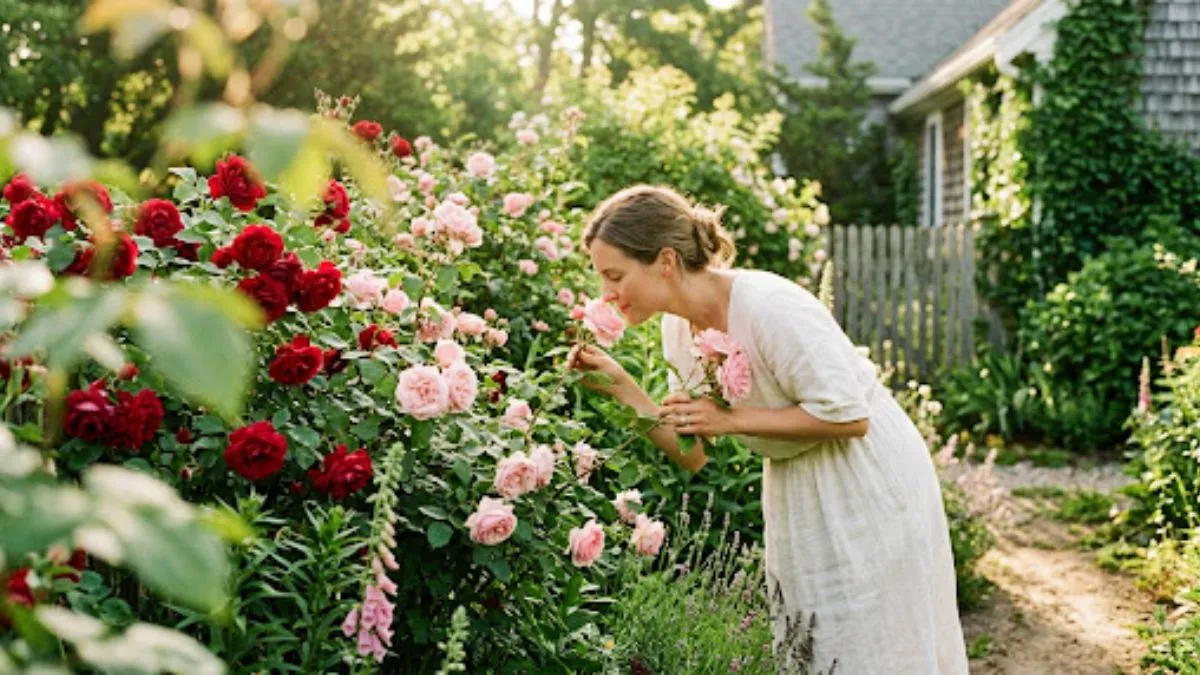
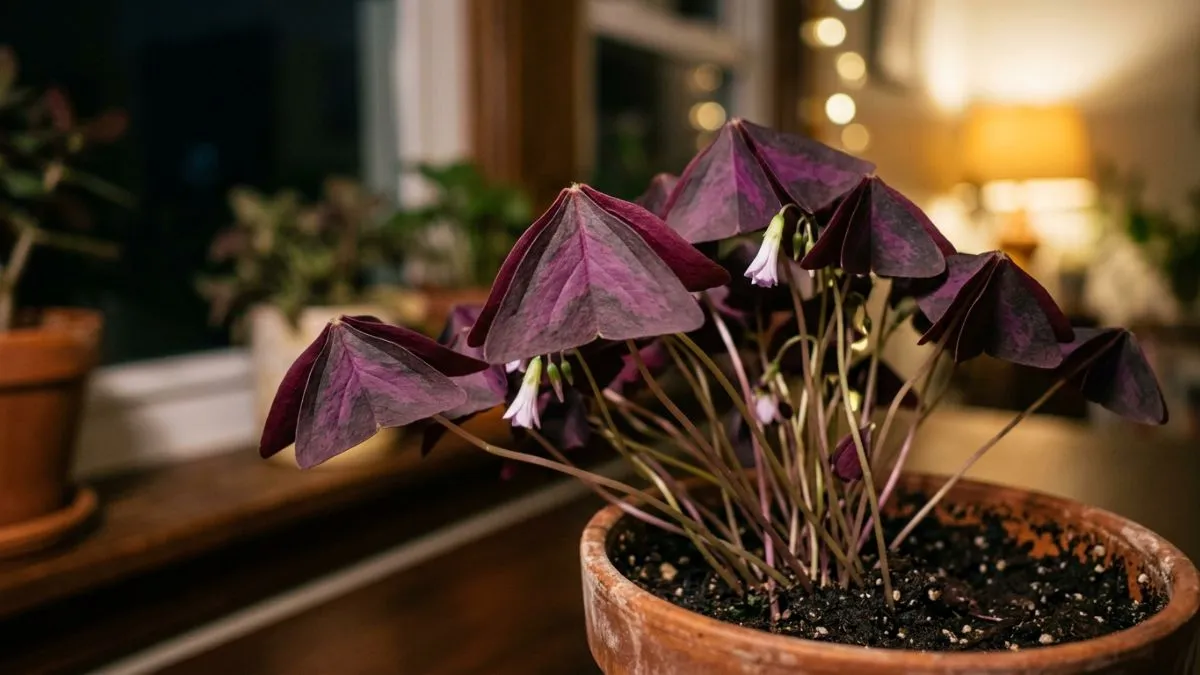
A gardenia with several open flowers may create a strong fragrance near a sunny living-room window. A flowering jasmine may produce a noticeable scent when conditions suit its variety. A lightly scented rose, however, may be detectable only when you stand close to the bloom.
Placement matters. A fragrant plant near a frequently used room can be more noticeable than one tucked into a distant corner. Good airflow can help distribute the scent, but a strong breeze may carry it away before it builds up.
Avoid assuming that more fragrance is always better. A powerful floral scent in a small, poorly ventilated bedroom may become overwhelming for some people, particularly those sensitive to fragrances or prone to headaches. Start with one plant and see how its scent feels in the space before adding more.
Natural fragrance also does not mean that a plant purifies indoor air or removes household odors in a meaningful way. Fragrant flowers release scent compounds, but they are not a substitute for ventilation, cleaning, or addressing the source of an unpleasant smell.
How to Grow Fragrant Flowers Indoors
The biggest challenge is providing the conditions each plant needs to produce healthy growth and regular blooms. Many fragrant flowering plants require more sunlight than people expect from an indoor plant.
Gardenias typically need bright light, adequate humidity, and careful watering. Their soil should remain evenly moist without becoming waterlogged. They can also be sensitive to unsuitable soil conditions and changes in their environment, which may lead to yellow leaves or dropped flower buds.
Jasmine requirements vary by species, but many commonly grown flowering varieties perform best with bright light and support for climbing. Some may need a cooler resting period or seasonal changes to flower well.
Roses generally need abundant direct sunlight, and many varieties are better suited to outdoor growing than to a typical indoor environment. Lavender also needs strong light and fast-draining soil. Keeping either plant in a dim room can lead to weak growth and disappointing flowering.
Choose a plant according to the light available rather than selecting one based on fragrance alone. A bright, sunny window may support species that would struggle in a north-facing room or a space with limited natural light. In homes with insufficient sunlight, a suitable grow light may help, provided the plant's other needs are met.
Good drainage is equally important. Use a container with drainage holes and a potting mix suited to the species. Water according to soil moisture and plant requirements instead of following the same schedule for every pot.
Why Natural Floral Fragrance Is So Different From Artificial Air Fresheners
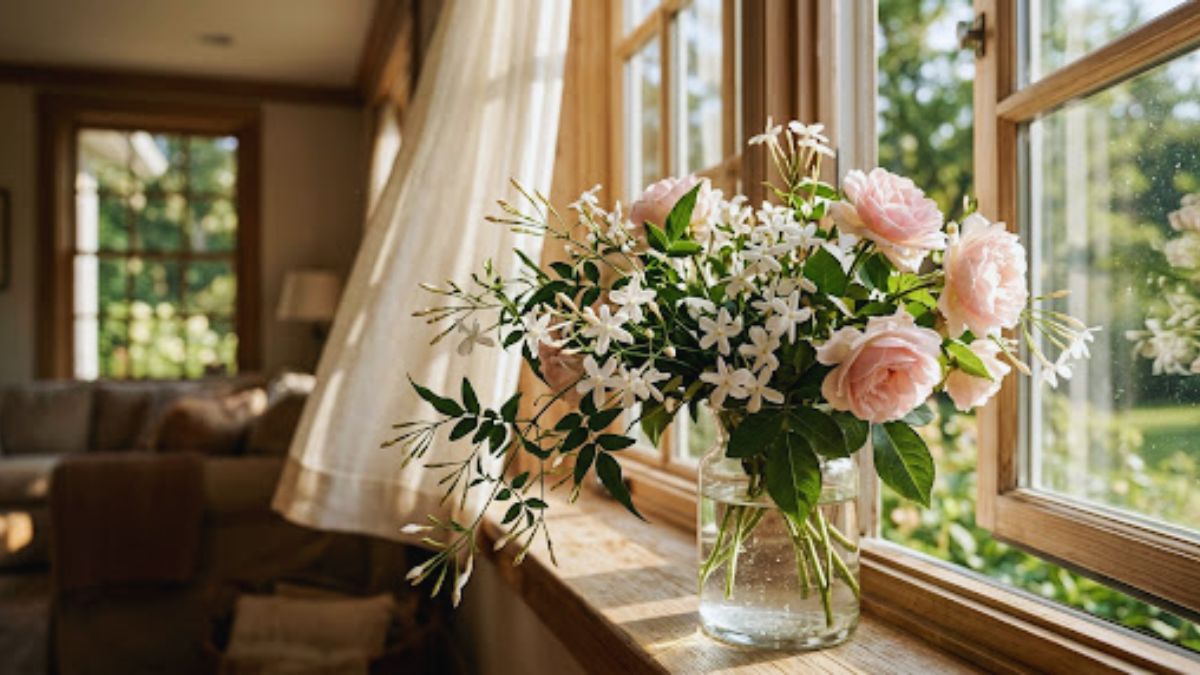
A flower's scent is often more complex than a single recognizable smell. Different volatile compounds combine to create the fragrance associated with a particular variety, and those proportions can change as a bloom develops.
Artificial air fresheners, in contrast, are formulated to release selected fragrance ingredients into a room. Some imitate floral notes, while others combine several scents to create a particular effect. Neither approach is automatically better for everyone, since people respond differently to individual fragrances.
Living flowers offer something an air freshener cannot: a changing scent that comes from a growing organism. The fragrance may become more noticeable as the flowers open, shift throughout the day, and fade as the blooms age.
However, plants are not completely maintenance-free alternatives to scented products. They need appropriate light, water, nutrients, and care, and not every flowering species will bloom reliably indoors.
The Best Flower Is the One That Fits Your Home
Some flowers can make a home smell wonderful because they release natural scent compounds that evolved to attract pollinators. Gardenias, jasmine, and fragrant roses are especially appealing choices, while lavender offers a more herbal aroma.
The strongest fragrance is not necessarily the best fit for every room. Consider your available sunlight, the amount of care you can provide, and whether you prefer a sweet, rich perfume or a lighter, fresh scent.
Start with a flowering plant suited to your home's conditions and give it the care it needs to bloom. When the right plant meets the right environment, its fragrance can become one of the most enjoyable details of your indoor garden.