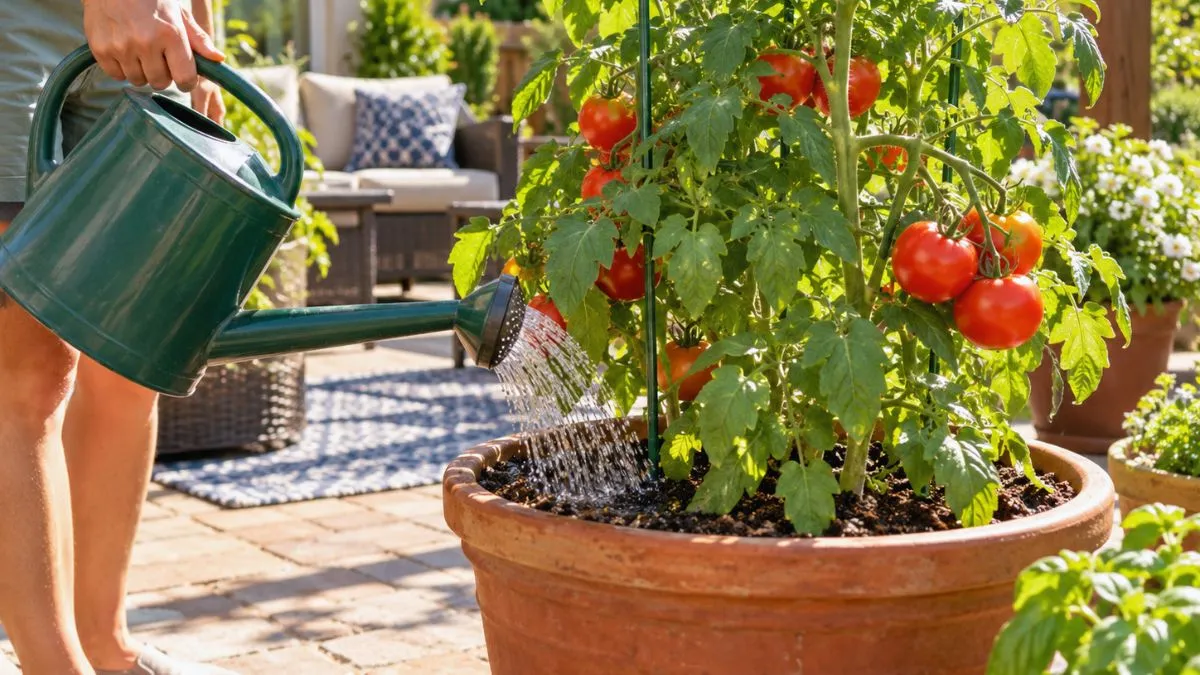
Tomato plants in pots usually need more frequent watering than tomatoes growing in the ground because containers hold a limited amount of growing medium. As the plant grows and temperatures rise, the roots can use available moisture quickly.
There is no single watering schedule that works for every potted tomato. A plant in a small container on a hot patio may need water every day, while a larger pot in mild weather may stay moist for several days. The most reliable approach is to check the potting mix and water when the plant needs it.
The goal is to keep the root zone consistently moist without leaving it saturated.
Check the Soil Before You Water
The simplest way to decide whether a tomato plant needs water is to check the growing medium.
Push your finger about an inch into the potting mix. If it feels dry at that depth, the plant is likely ready for water. If the mix still feels moist, check again later.
You can also lift the container if it is small enough to handle safely. A recently watered pot will feel noticeably heavier than one that has become dry.
Do not judge moisture only by looking at the surface. The top layer can appear dry while the lower part of the container remains moist. Conversely, a small pot can dry out quickly below the surface even when the top does not look particularly dry.
As tomato roots occupy more of the container, the plant may begin using water faster. A watering routine that worked for a young transplant may not be enough once the plant becomes large and starts producing fruit.
How Often Should You Water Tomatoes in Pots?
A young tomato plant may need watering every few days in moderate weather, while a mature plant in a small container may require daily attention during hot weather.
In some U.S. climates, a large tomato plant can require water every day during periods of high summer heat. In milder conditions, watering less frequently may be sufficient.
Container size makes a major difference. A 10-gallon pot contains more growing medium and can hold more available moisture than a small patio container. Sun exposure, wind, humidity, plant size, and the type of potting mix also affect how quickly the container dries.
Instead of following a calendar, check the moisture level regularly and adjust your watering according to the conditions.
Water Deeply Instead of Lightly
When the tomato needs water, apply enough to moisten the full root zone.
Water slowly around the base of the plant until water begins to drain through the holes at the bottom of the container. This indicates that water has moved through the growing medium rather than wetting only the surface.
A small splash of water may make the surface look wet without reaching much of the root system. Repeated shallow watering can encourage roots to remain near the top of the container, where the growing medium dries more quickly.
Allow excess water to drain away after watering. The container should never remain in a tray filled with standing water for extended periods.
Morning Is Usually the Best Time to Water
Morning is a practical time to water tomato plants because the plant has access to moisture during the hottest part of the day.
If the container dries quickly in the afternoon, a second watering may sometimes be necessary during periods of extreme heat. This is more likely with small pots, exposed balconies, and mature plants with extensive foliage.
Watering the soil rather than spraying the leaves also helps keep the foliage drier. Wet leaves that remain damp for long periods can create conditions that favor some fungal diseases.
If morning watering is not possible, water when the plant needs it rather than allowing it to become severely dry simply to wait for a preferred time.
Hot Weather Changes How Often Tomatoes Need Water
A tomato plant in a container can lose moisture quickly during a heat wave.
The problem can be especially noticeable in parts of the southern and southwestern United States, where high temperatures, intense sunlight, and dry air can cause containers to dry much faster than expected.
A mature tomato plant may look healthy in the morning and begin wilting by afternoon. If the growing medium is dry, water the plant thoroughly.
A larger container can help because it holds more growing medium and usually provides a larger moisture reserve. Moving a container to a location with some protection from intense afternoon heat can also reduce water loss, although the plant still needs sufficient direct sunlight for good production.
Avoid placing black or very dark containers on surfaces that become extremely hot if the roots are exposed to excessive heat. The container itself can become much hotter than the surrounding air.
Wind Can Dry Containers Quickly
Wind is another reason a potted tomato may need more water.
A tomato growing on an exposed balcony or rooftop garden can lose moisture faster than one growing in a sheltered backyard. Wind increases evaporation from the surface of the growing medium and can increase water loss through the plant's leaves.
If the plant repeatedly dries out even though you water it carefully, consider whether its location is contributing to the problem.
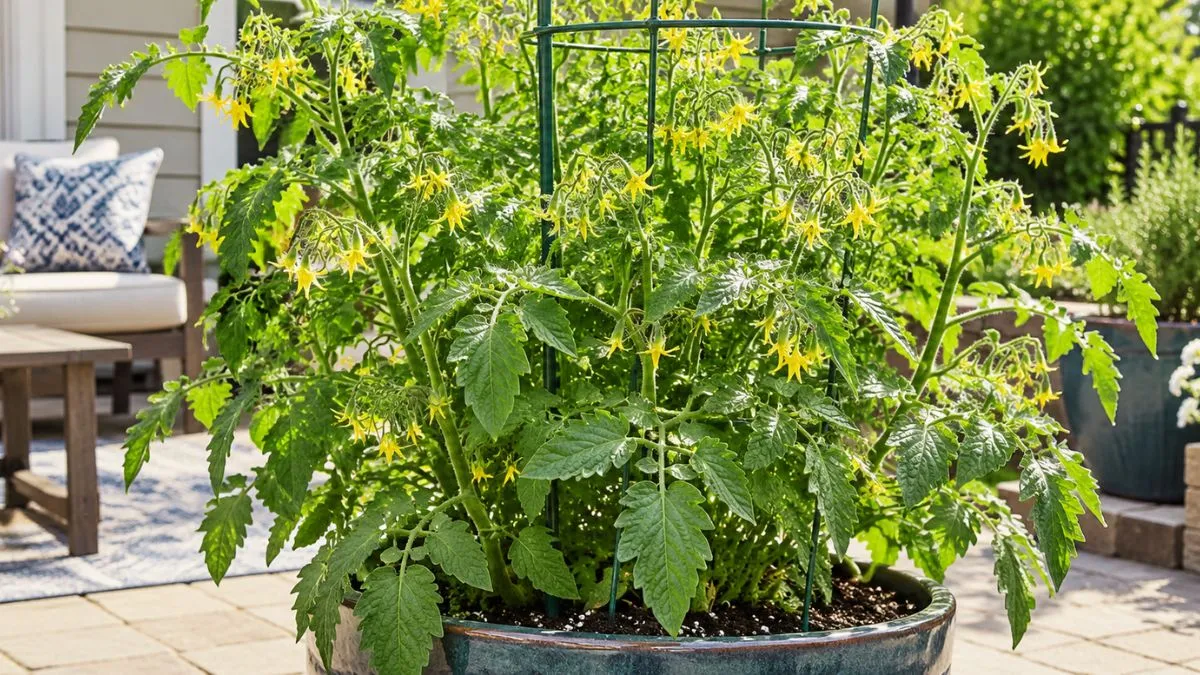
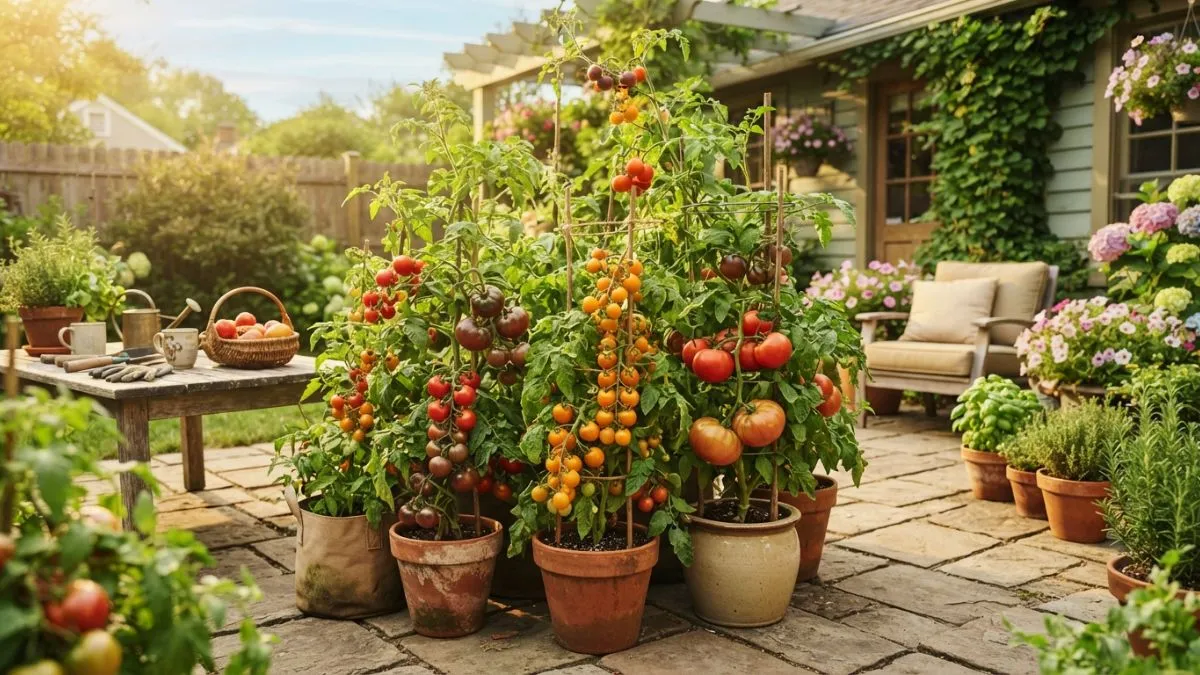
A larger container and a sheltered position can help maintain more stable moisture levels.
What Happens When Tomatoes Do Not Get Enough Water?
A tomato plant that lacks water may wilt, develop dry or curling leaves, and stop growing normally.
Severe or repeated water stress can also interfere with flowering and fruit development. Developing fruit may remain small, and the plant may have difficulty maintaining consistent growth.
Inconsistent watering is also associated with problems such as blossom-end rot. Blossom-end rot is commonly seen as a dark, sunken area on the bottom of developing tomatoes. Calcium availability is involved, but irregular water supply can interfere with the plant's ability to move calcium to developing fruit.
The answer is not simply adding calcium. Maintaining consistent moisture is an important part of reducing the conditions that contribute to the problem.
Can You Overwater Tomatoes in Pots?
Yes. More water is not always better.
When the potting mix stays saturated, roots have less access to oxygen. Prolonged waterlogged conditions can weaken the root system and contribute to root diseases.
Overwatered tomato plants may develop yellowing leaves, slow growth, or a generally unhealthy appearance. These symptoms can sometimes resemble nutrient deficiencies, so check the moisture level before adding fertilizer.
A container needs drainage holes large enough to allow excess water to escape. If water remains in the pot for a long time after watering, the problem may be drainage rather than insufficient watering.
Does Pot Size Affect Watering?
Pot size has a direct effect on how frequently a tomato needs water.
Small containers contain less growing medium, so they hold less moisture. They can also heat up and dry faster, especially when exposed to direct sunlight.
Larger containers generally provide a larger root zone and more moisture between waterings. This does not mean a large pot can be ignored during hot weather, but it can give the plant a greater buffer against rapid drying.
For larger tomato varieties, using a sufficiently large container from the start can make watering easier and reduce stress on the plant.
What About Self-Watering Containers?
Self-watering containers can be useful for gardeners who cannot check their tomato plants frequently.
These containers store water in a reservoir and allow moisture to move toward the growing medium through a wicking system. They can help maintain more consistent moisture than a conventional pot, particularly during warm weather.
They still require monitoring. The reservoir needs to be refilled, and the growing medium must be suitable for the container's watering system.
A self-watering container does not eliminate the need to understand the plant's moisture needs.
How Watering Changes When Tomatoes Start Producing Fruit
Tomato plants often use more water as they become larger and begin carrying fruit.
The foliage becomes more extensive, and the plant loses more moisture through transpiration. Developing fruit also increases the plant's demand for a steady water supply.
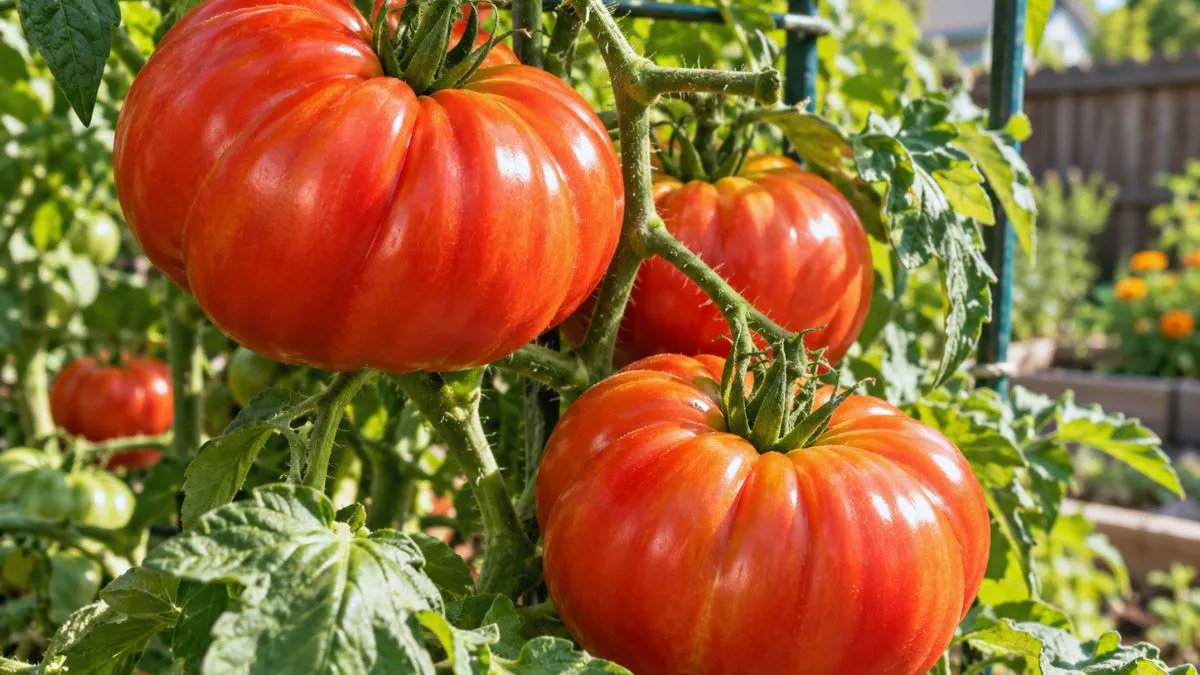
This is when inconsistent watering can become particularly noticeable. A plant that repeatedly becomes very dry and then receives a large amount of water may produce cracked fruit or struggle with other stress-related problems.
Check mature plants more frequently during flowering and fruit production, especially when temperatures are high.
The Best Watering Routine for Potted Tomatoes
A good watering routine is based on the plant and its environment rather than a fixed number of days.
Check the growing medium regularly. When the upper portion has become dry, water slowly and thoroughly until excess water drains from the bottom. Then allow the container to drain completely.
As the weather changes, change the frequency. A tomato growing in a large pot during a cool spring may need much less water than the same plant in midsummer.
The most useful habit is simple: check the soil before watering, water the entire root zone, and avoid letting the plant repeatedly swing between very dry and saturated conditions.
For container tomatoes, consistent moisture is one of the clearest ways to support steady growth, flowering, and fruit development.