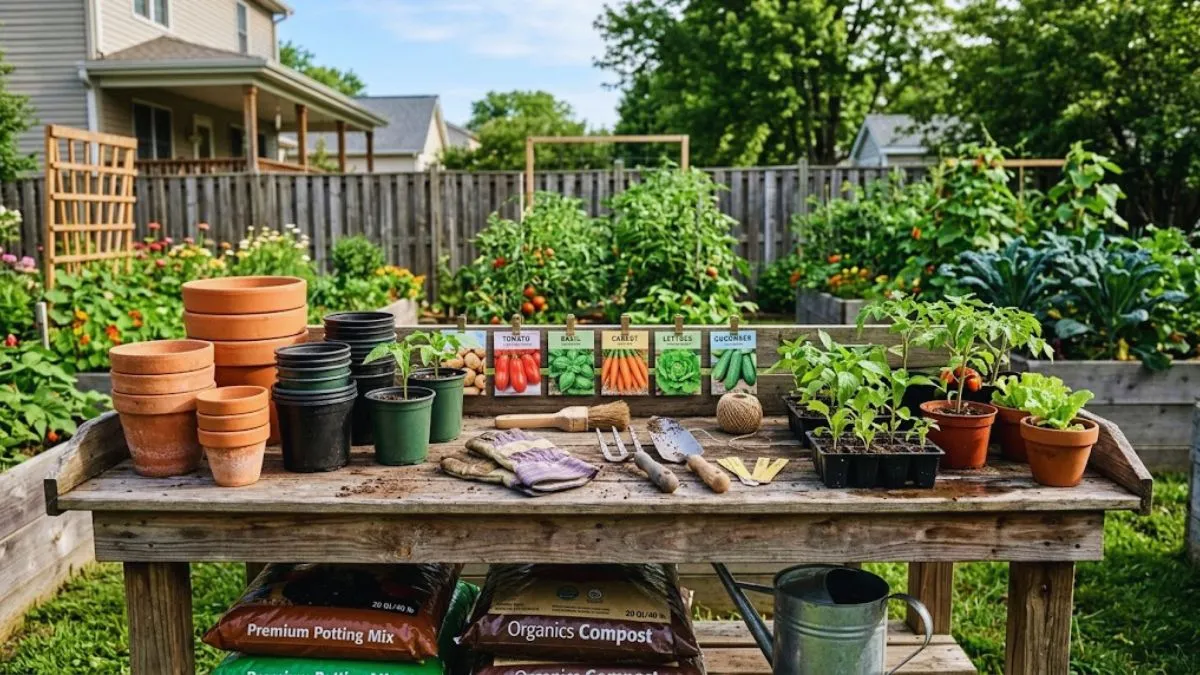
Starting a garden does not have to cost a fortune. Whether you want to grow tomatoes in containers, fill your backyard with flowers, or improve your lawn, finding affordable gardening supplies can make a noticeable difference in your budget. The trick is knowing where to shop, which products are worth buying cheaply, and when seasonal discounts offer the best value.
In the United States, some of the cheapest places to buy gardening supplies include Dollar Tree for basic accessories, Walmart for everyday garden essentials, and Lowe’s and Home Depot for seasonal deals on soil and mulch. Online suppliers such as Greenhouse Megastore can be useful when you need nursery containers in bulk, while community groups and municipal recycling programs may provide certain materials for free.
The best choice depends on what you need. A low-priced bag of potting mix, a set of reusable seed trays, and a truckload of wood chips each call for a different shopping strategy. Comparing prices before buying can help you build a productive garden without spending more than necessary.
Top Physical Retailers for Cheap Garden Supplies
1. Dollar Tree and Dollar General
Dollar stores are useful places to start when you need inexpensive gardening accessories. Their seasonal garden sections may include seed packets, plastic pots, plant labels, garden gloves, small hand tools, and stakes.
Dollar Tree is particularly convenient for gardeners who need a few basic supplies without investing in professional equipment. Small containers can work well for starting seedlings, while inexpensive labels help keep vegetable varieties organized. Garden gloves and lightweight tools may also be suitable for occasional planting and simple maintenance.
Dollar General can offer similar seasonal products, although the selection varies by location and time of year.
The biggest advantage is the opportunity to purchase small quantities at a low upfront cost. However, inexpensive products are not always the cheapest in the long run. Thin plastic pots may crack after repeated exposure to sunlight, and low-quality hand tools may bend when used in compacted soil.
Before buying, check the material, construction, and size. For tools you expect to use frequently, spending a little more on a durable product may save money over several growing seasons.
Best for: Small pots, plant labels, basic gloves, seed-starting accessories, and occasional-use tools.
2. Walmart Garden Center
Walmart is a practical option for gardeners looking for affordable everyday supplies. Depending on the store, its garden section may carry potting mix, vegetable seeds, fertilizer, containers, watering cans, hoses, and seed-starting kits.
One reason Walmart is worth checking is that you can compare several types of products in one shopping trip. If you are starting a container garden, for example, you may be able to find pots, potting mix, seeds, and basic watering equipment without visiting multiple retailers.
Prices and available brands vary between stores, so compare the cost per quart or cubic foot rather than judging a soil product by its bag price alone. A larger bag may offer better value, provided you can use it before storage conditions damage the contents.
Seasonal clearance sections are also worth checking. Garden decorations, planters, and certain accessories may be discounted when stores make room for fall or winter merchandise.
Best for: Potting mix, containers, seeds, fertilizers, watering supplies, and affordable starter kits.
3. Lowe’s and Home Depot
Lowe’s and Home Depot are especially useful when you need larger quantities of materials for vegetable beds, flower borders, or backyard landscaping.
Both retailers sell products such as bagged mulch, topsoil, compost, soil amendments, planters, hoses, and garden tools. Their prices can be competitive during seasonal promotions, particularly when you are buying several bags of the same material.
Spring is a popular time to shop for gardening supplies, but it is not always the cheapest. Check weekly advertisements, online listings, and clearance sections for discounts on items you already need. Late-season sales can also be useful for finding reduced-price planters and selected gardening equipment.
Remember that topsoil, compost, and potting mix are not interchangeable. Topsoil is generally intended for improving or filling garden areas, while potting mix is formulated for containers. Buying the wrong product because it costs less can lead to poor drainage or disappointing plant growth.
It is also worth comparing delivery charges with the cost of collecting supplies yourself. A discounted pallet of soil may not represent a saving if transportation costs are high.
Best for: Mulch, compost, soil amendments, larger planters, hoses, and landscaping materials.
Best Online Retailers for Bulk and Specialty Supplies
4. Greenhouse Megastore
Greenhouse Megastore is worth considering when you need nursery supplies in quantities that would be inconvenient or expensive to purchase individually.
Its product categories include growing containers, seed-starting trays, greenhouse accessories, irrigation equipment, and other supplies used in plant production. These products can appeal to gardeners who start many seedlings, maintain a backyard nursery, or grow vegetables in multiple containers.
Buying nursery pots or growing trays in bulk can reduce the cost per item. However, bulk purchasing makes sense only when you have enough storage space and expect to use the supplies.
Shipping is an important part of the calculation. Lightweight plastic containers may be inexpensive individually, but a large order can become less attractive when delivery charges are included. Compare the final checkout price with local garden centers and home improvement stores before placing an order.
Best for: Nursery pots, propagation trays, growing supplies, and bulk gardening accessories.
5. Amazon and eBay
Online marketplaces provide another way to compare gardening supplies, particularly products sold in multipacks.
Fabric grow bags, plant labels, seedling trays, drip irrigation components, and replacement parts are often available in different sizes and quantities. Buying a set of reusable containers can be more economical than purchasing them individually from a local store.
Still, the lowest listed price does not automatically mean the best deal. Check the dimensions, material thickness, included accessories, shipping fees, and customer reviews. A pack of grow bags may look inexpensive until you discover that the bags are smaller than the ones you need.
For electrical products such as LED grow lights, pay particular attention to product specifications, safety certifications, and warranty information. A very cheap light may not provide enough usable light for healthy seedlings.
When comparing sellers, calculate the cost per usable item and consider how long the product is likely to last.
Best for: Fabric grow bags, multipacks of accessories, irrigation components, and selected indoor-growing equipment.
Where to Find Free Gardening Supplies
Some of the biggest savings come from finding usable materials without paying retail prices. Before buying everything new, check what is available in your local community.
Buy Nothing groups and Facebook Marketplace can be good places to find unwanted planters, extra gardening tools, flowerpots, and landscaping materials. Gardeners who are reorganizing their yards sometimes give away supplies they no longer need.
Inspect secondhand items before bringing them home. Avoid containers that previously held unknown chemicals, and clean reusable pots before planting to reduce the risk of carrying plant diseases or pests into your garden.
Municipal recycling centers and public works departments may offer free wood chips, mulch, or compost to residents. Availability and collection rules differ by city and county. Some programs require proof of residency, and materials may be offered only during certain seasons.
Ask about the source of the material before using it. Fresh wood chips are often useful as surface mulch around established trees and shrubs, but they are not a substitute for potting mix. Compost should also come from a reliable source and be suitable for the intended garden use.
Local libraries, gardening clubs, and community gardens may organize seed exchanges. These events allow gardeners to trade seeds and sometimes share seedlings, cuttings, or practical growing advice. They can be particularly helpful if you want to try several vegetable or flower varieties without purchasing a large number of seed packets.
The Cheapest Place to Buy Each Gardening Supply
The best retailer depends on the material you need and the quantity you plan to purchase.
For small pots, labels, and simple accessories, start with Dollar Tree or Dollar General. For everyday potting mix, containers, and basic garden equipment, compare Walmart with nearby garden centers.
For larger landscaping projects, check Lowe’s and Home Depot for mulch, soil amendments, and seasonal promotions. Gardeners purchasing nursery containers and propagation equipment in quantity should compare Greenhouse Megastore with other bulk suppliers.
Fabric grow bags and multipacks of accessories may be less expensive through Amazon or eBay, provided the product specifications and delivery costs make sense.
For wood chips, selected compost products, and reusable secondhand equipment, local municipal programs and community groups may offer the greatest savings of all.
3 Ways to Save More on Gardening Supplies
Shop Before You Need Everything
Buying supplies at the beginning of the growing season can be convenient, but popular products may be more expensive when demand is high. Make a list of what you will need over the next few months and watch for discounts before planting time.
Late-season clearance can be particularly useful for nonperishable items such as pots, stakes, and hand tools. Store seeds and other temperature-sensitive products according to their packaging instructions rather than assuming every clearance item will remain usable until next year.
Compare Unit Prices and Delivery Costs
A smaller package is not necessarily the better bargain. Compare the cost per cubic foot of potting mix, the price per gallon of a container, or the cost per bag of mulch.
For online purchases, include shipping, handling, and any minimum-order requirements. For bulky supplies, local pickup may offer better value than delivery.
Buy Durable Items and Reuse What You Can
Some supplies are worth buying once and using for years. A sturdy trowel, quality pruning shears, and reusable seed trays may cost more initially but can be cheaper over time than repeatedly replacing disposable products.
You can also reuse suitable pots, collect leaves for composting, and save seeds from open-pollinated plants when appropriate. These small habits gradually reduce the amount you need to purchase each season.
Final Thoughts
The cheapest place to buy gardening supplies depends on your project, your location, and the quantity you need. Dollar stores are convenient for inexpensive accessories, Walmart offers a range of everyday essentials, and Lowe’s and Home Depot are worth comparing for soil and landscaping materials. Online suppliers can be useful for bulk purchases, while community groups and municipal programs may help you find free supplies.
Rather than buying everything from one retailer, compare prices across several sources and focus on the total cost, product quality, and how often you will use each item. With a little planning, you can grow vegetables, flowers, and healthy backyard plants without stretching your gardening budget.
What is your favorite place to find affordable gardening supplies? Share your money-saving tips with other gardeners in the comments.