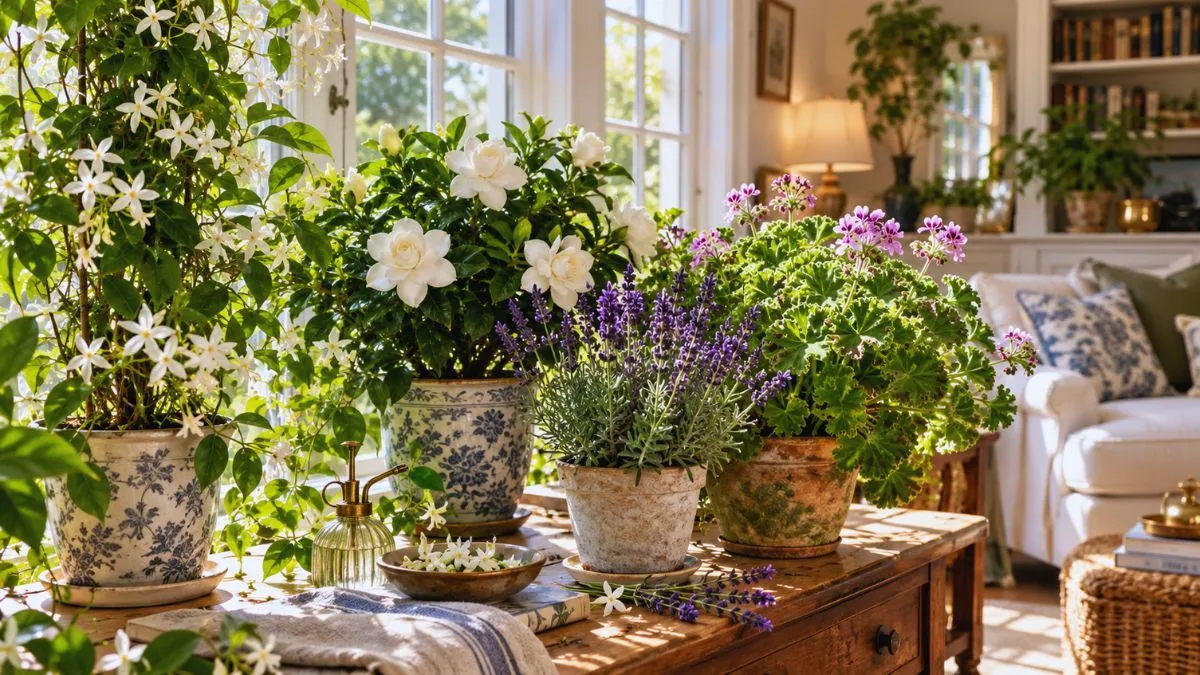
A home filled with the scent of fresh flowers or aromatic leaves can feel more inviting without relying entirely on candles or artificial air fresheners. Some plants release a noticeable fragrance while blooming, while others produce their scent when their leaves are gently touched. The difference matters when choosing plants for a living room, bedroom, kitchen, or sunny windowsill.
Jasmine, gardenia, and scented geraniums are among the plants worth considering, but not every fragrant plant thrives indoors. Light, temperature, humidity, and growing space all influence how well a plant performs inside a home.
If you want your home to smell naturally pleasant, these seven plants offer different fragrances and growing requirements, making it easier to find one that suits your space.
1. Jasmine: A Sweet Floral Fragrance
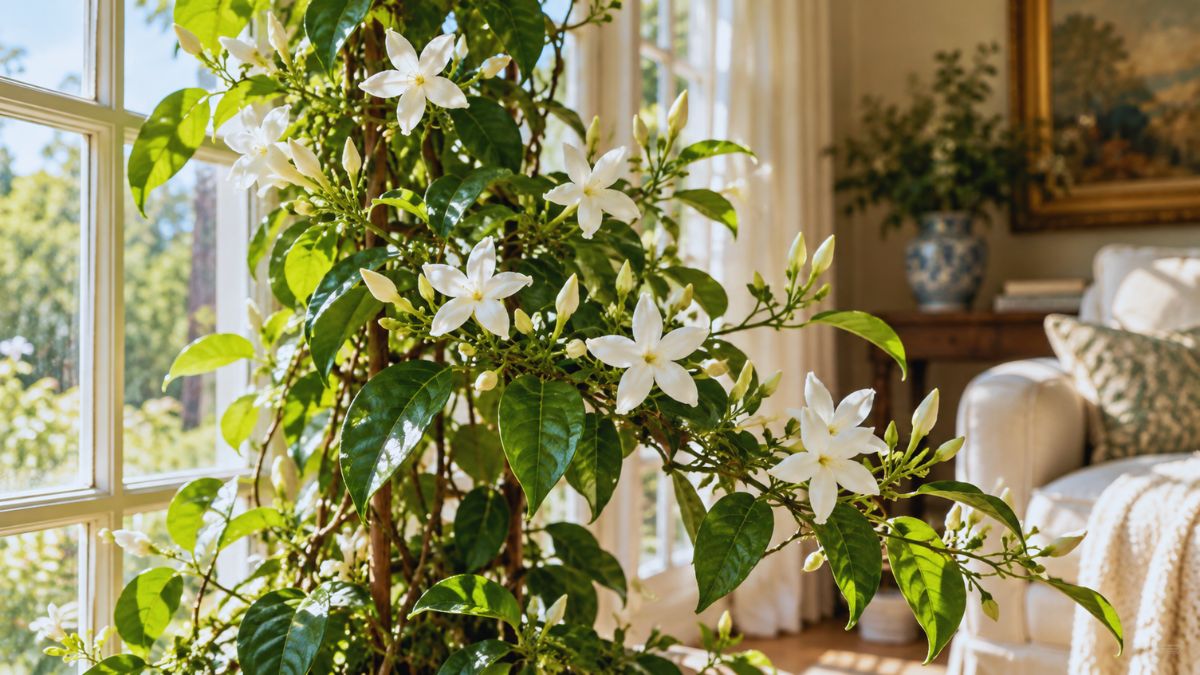
Jasmine is one of the best-known plants for its sweet, distinctive fragrance. Certain varieties produce an especially noticeable scent when their white flowers open, and some release more fragrance during the evening.
For indoor growing, choose a jasmine species suited to containers, such as Jasminum sambac, and provide plenty of bright light. A sunny window can help support flowering, although the plant may need additional light during darker months.
Jasmine can climb or spread, depending on the variety, so give it enough room and provide a small trellis if needed. Keep the potting mix evenly moist without leaving the roots sitting in water.
Jasmine is a good choice if you enjoy a classic floral scent and have a bright spot where a flowering plant can grow well.
2. Gardenia: Rich, Perfumed White Flowers
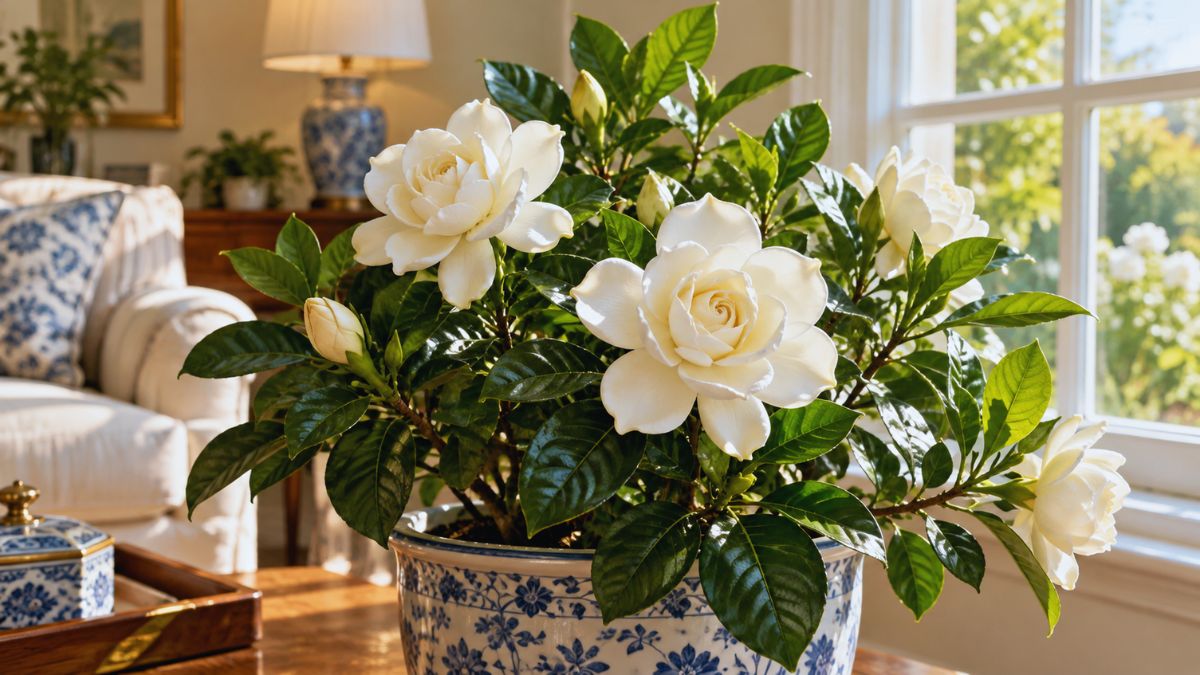
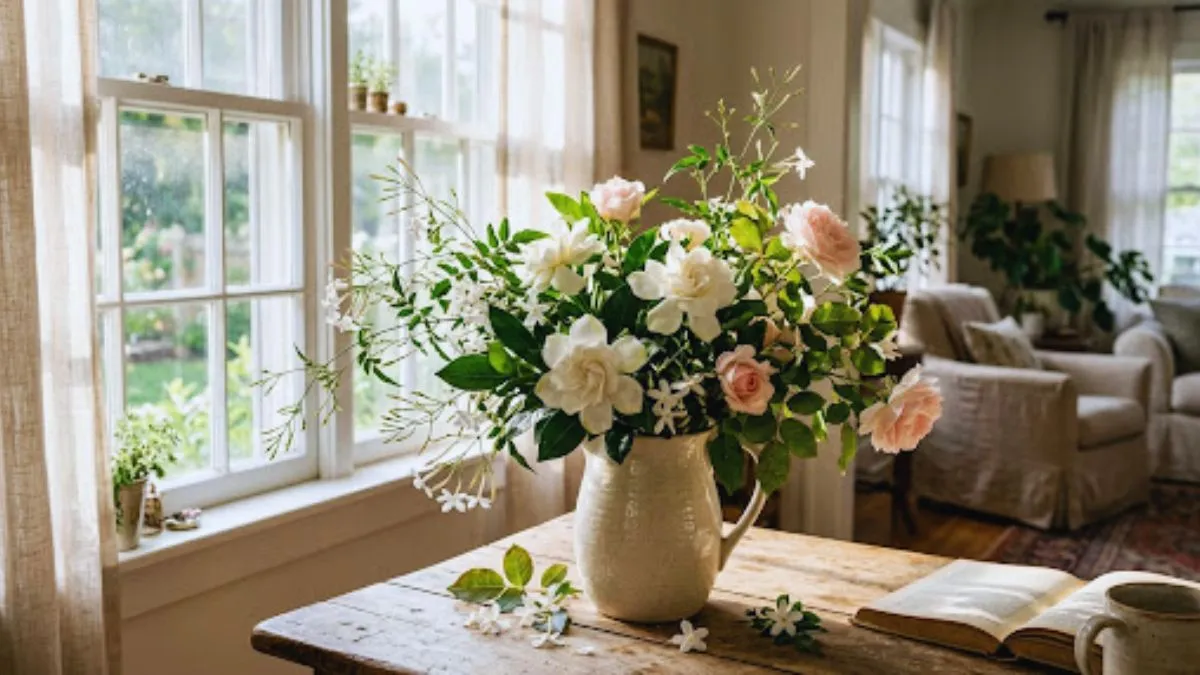
Gardenias are famous for their creamy white flowers and rich fragrance. When several blooms open at once, the scent can become noticeable throughout a small room.
However, gardenias are not the easiest houseplants. They generally need bright light, consistent moisture, good drainage, and relatively high humidity. Sudden changes in temperature or unsuitable growing conditions can cause buds to drop before opening.
Place a gardenia near a bright window, avoiding harsh conditions that overheat the plant. Check the soil regularly and water when needed to prevent the root ball from drying out completely.
Gardenias are worth considering if you want a strong floral fragrance and are comfortable giving a plant more attention. Their beautiful flowers can make the extra care worthwhile.
3. Lavender: A Fresh, Herbal Scent
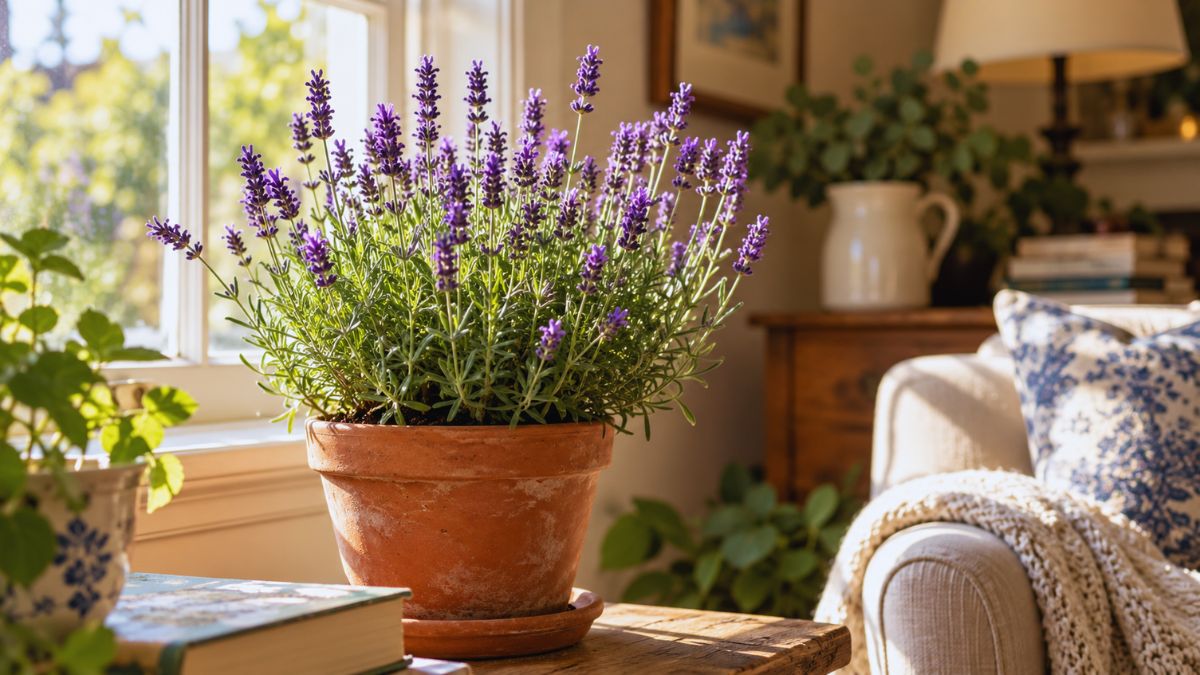
Lavender offers a different kind of fragrance from jasmine and gardenia. Its scent is herbal, clean, and slightly woody, making it a popular choice for people who prefer something less sweet.
The main challenge is light. Lavender generally needs several hours of direct sunlight and excellent drainage. It can struggle on a dim indoor shelf or in a room far from a sunny window.
Choose a compact variety and a pot with drainage holes. Use a well-draining growing medium, and allow the soil to dry somewhat between waterings rather than keeping it constantly wet.
Lavender may be easier to maintain on a sunny windowsill, enclosed porch, or patio than in the center of a house. Its fragrance is often most noticeable when the plant is flowering or when its leaves are gently brushed.
4. Scented Geranium: Fragrance From the Leaves
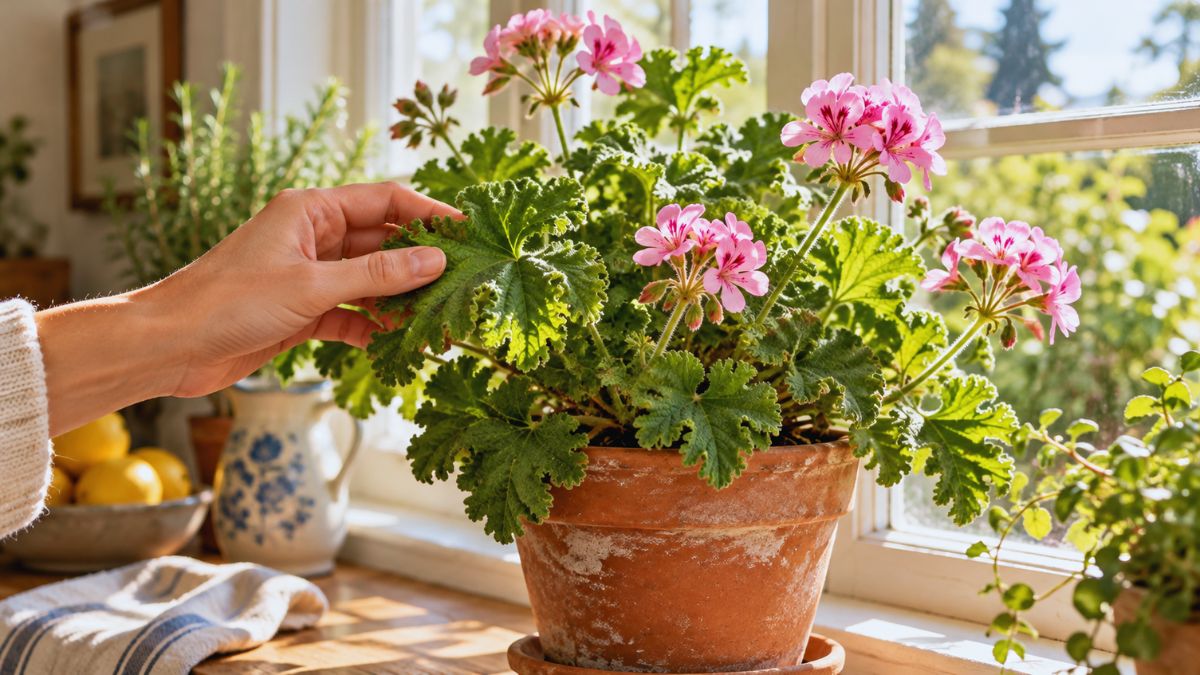
Scented geraniums are especially interesting because their fragrance often comes from the foliage rather than the flowers. Depending on the variety, the leaves may smell like rose, lemon, mint, or other familiar aromas.
Unlike plants that need open blooms to produce their most noticeable scent, many scented geraniums release their fragrance when someone lightly touches or brushes their leaves.
These plants generally prefer bright light and well-drained soil. Let the upper layer of the potting mix dry before watering again, and avoid leaving the container sitting in excess water.
A scented geranium can work well near a sunny kitchen window or in a bright living area where you occasionally brush against the foliage. If you want a plant that offers fragrance without relying on flowers, it is a particularly useful option.
5. Rosemary: A Woody, Refreshing Aroma
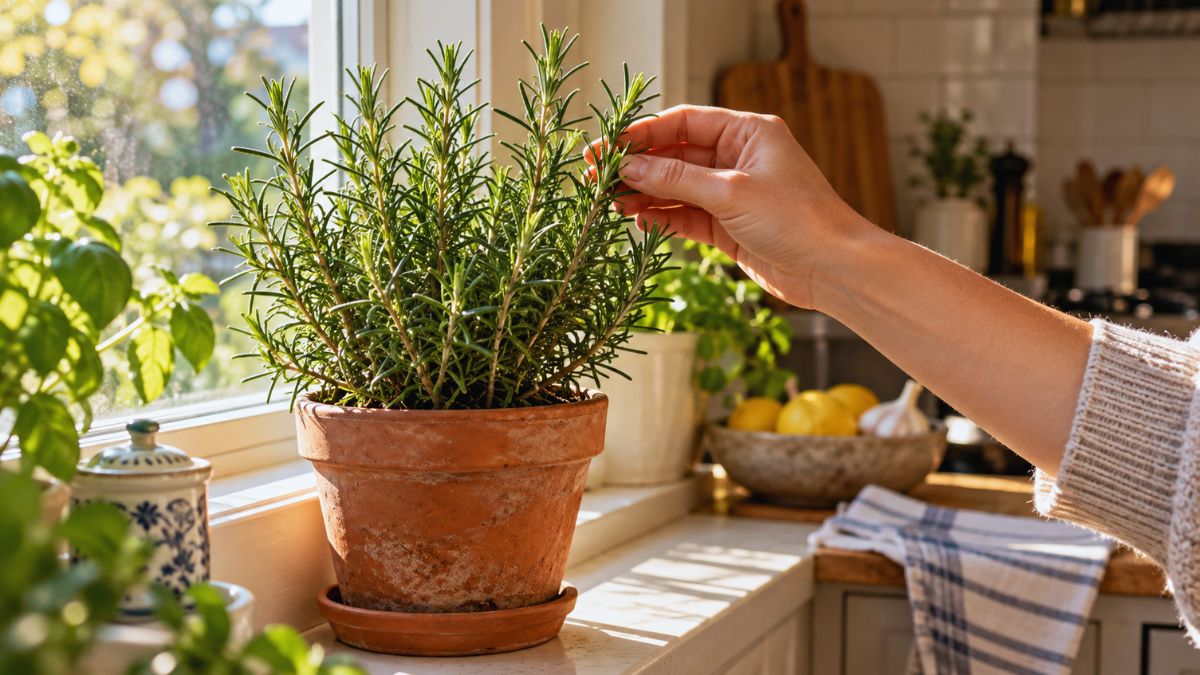
Rosemary is better known as a culinary herb, but its evergreen leaves also release a recognizable woody fragrance. It can be a practical choice for a sunny kitchen because the same plant can provide fresh sprigs for cooking.
Rosemary needs abundant light and well-drained soil. Indoors, it often struggles when the room is too dark or the potting mix stays wet for too long.
Choose a compact plant and place it near a bright window that receives direct sunlight. Water thoroughly when the plant needs moisture, then allow excess water to drain away.
Rosemary will not usually perfume an entire room as strongly as a flowering jasmine or gardenia. Its aroma is more subtle and becomes more noticeable when the leaves are gently brushed or harvested.
6. Citrus Trees: Fragrant Blossoms Indoors
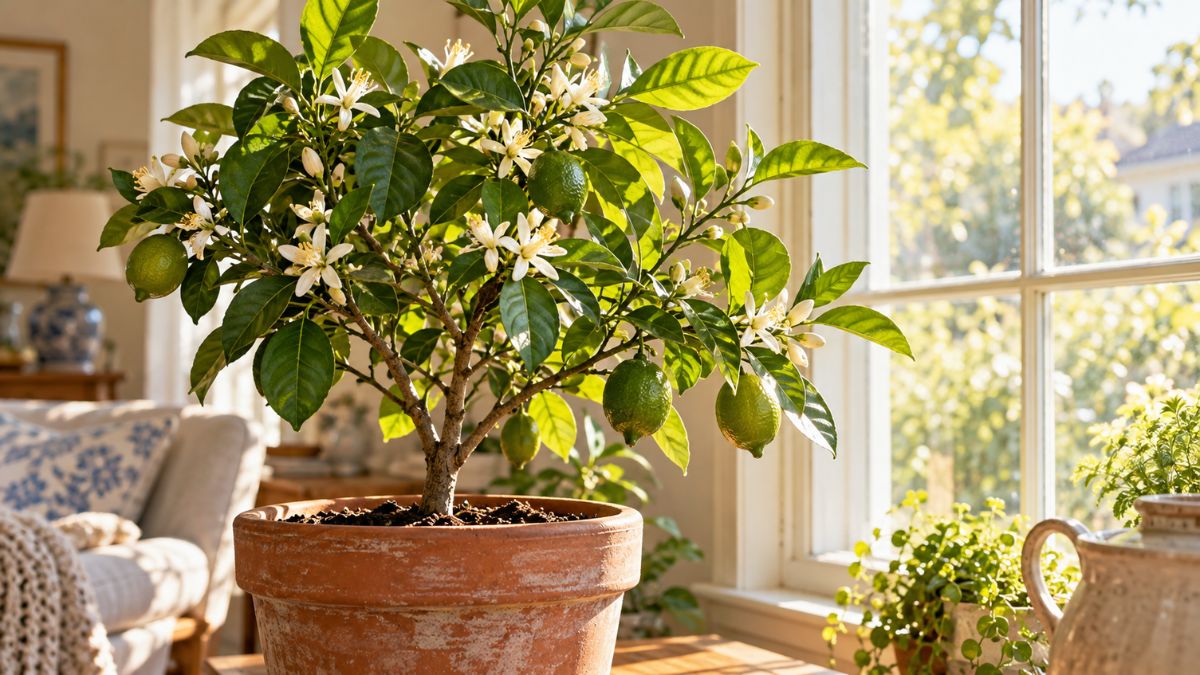
Dwarf citrus trees, including certain lemon and calamondin varieties, can produce intensely fragrant flowers. Their blossoms often have a fresh, sweet scent that feels different from the heavier perfume of gardenias.
A citrus tree can be rewarding indoors, but it needs a sunny location, a suitable container, good drainage, and regular attention. A south-facing window may provide useful light in many U.S. homes, although the amount of sunlight varies by season and location.
Not every indoor citrus tree will flower reliably. Insufficient light, watering problems, and unsuitable temperatures can limit blooming. If fragrance is your main goal, look for a healthy plant known to flower in containers and make sure you can provide its growing requirements.
Citrus blossoms are seasonal, so the fragrance may not be available throughout the year.
7. Sweet Alyssum: Small Flowers With a Honey-Like Scent
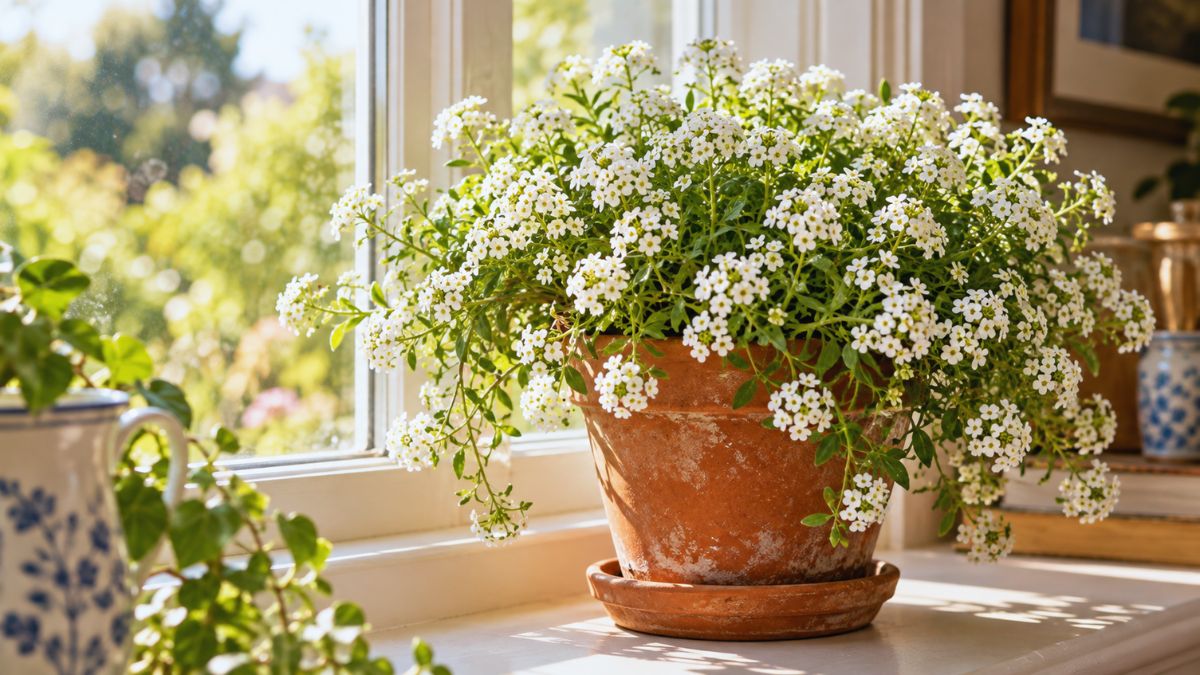
Sweet alyssum produces clusters of tiny flowers that are often described as having a sweet, honey-like fragrance. It is commonly grown outdoors in garden beds, borders, and containers, where its scent can be enjoyed up close.
Although it is not the most dependable choice for a typical indoor houseplant, it can be an option for a bright sunroom, enclosed porch, or other suitable space with plenty of light and good air circulation.
Sweet alyssum generally prefers cool to mild growing conditions and may decline during intense heat. Its performance indoors depends on light, temperature, and airflow, so it is best treated as a flowering plant for a suitable bright space rather than a low-maintenance plant for a dim room.
For gardeners who have a sunny porch or a bright growing area, it offers a delicate floral fragrance and plenty of small blooms.
How to Make Fragrant Plants Work in Your Home
The best fragrant plant is one that can thrive in the conditions you actually have. Before buying a plant, consider how much direct sunlight reaches your windows, how warm the room becomes, and how much time you can spend watering and pruning.
A plant that flowers heavily in the right conditions may produce a much stronger scent than one struggling in poor light. If your home is relatively dark, scented-leaf plants may be a more realistic option than demanding flowering species, although they still need suitable light to remain healthy.
Avoid grouping too many intensely fragrant plants in a small, poorly ventilated room. Strong scents may bother people who are sensitive to fragrances, and some flowering plants can be overwhelming when several blooms open at once.
Remember that natural fragrance does not mean a plant cleans the air or eliminates household odors. Fragrant plants add their own scent, but good ventilation and regular cleaning remain the practical ways to keep indoor spaces fresh.
Before bringing any plant into a home with pets, check its safety for the animals that live there. Some popular ornamental plants can be harmful if chewed or swallowed.
Which Fragrant Plant Should You Choose?
If you want a strong floral perfume, jasmine or gardenia may be worth considering, provided your home offers the light and humidity they need. If you prefer a herbal aroma, lavender or rosemary may be a better fit. Scented geraniums are especially appealing when you want fragrant leaves rather than flowers.
Start with one plant, learn its growing requirements, and give it the conditions it needs to flourish. A healthy plant is more likely to reward you with attractive foliage, flowers, or aromatic leaves—and that makes it a much better long-term choice than selecting a plant for fragrance alone.