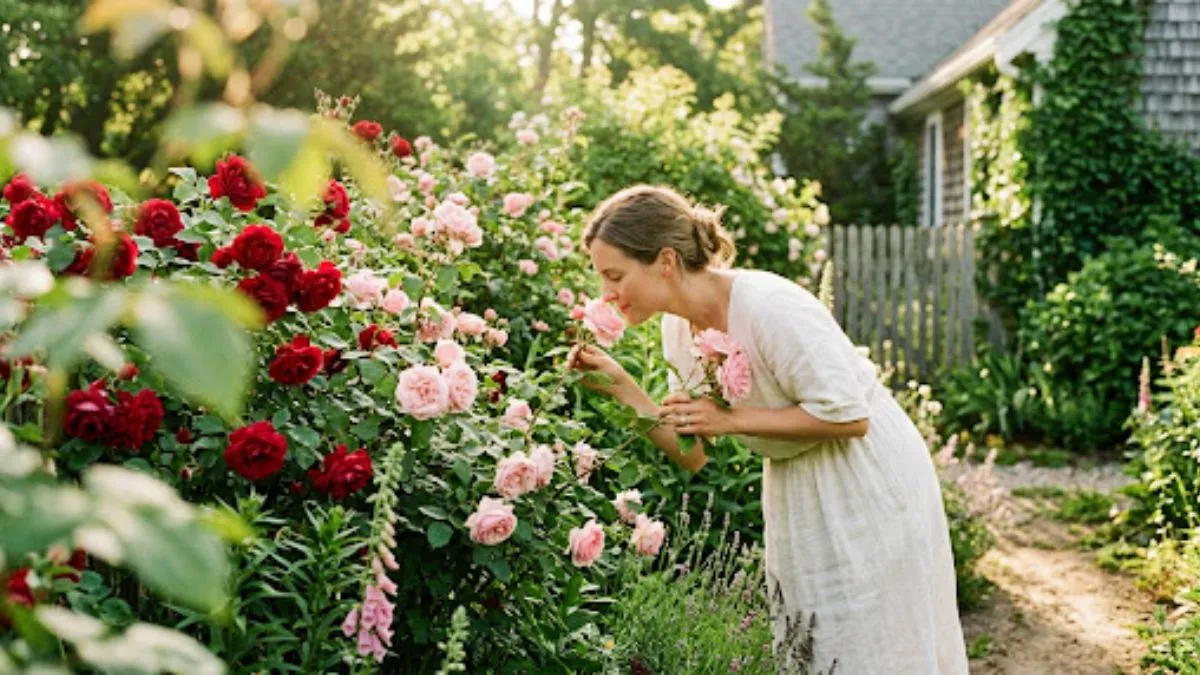
Some roses fill the air with a sweet, memorable fragrance, while others look beautiful but have almost no noticeable scent. The difference is not just in the color or size of the bloom. A rose's fragrance depends on its genetics, the natural chemicals produced by its petals, the variety, and even the weather conditions in which it grows.
For gardeners, this explains why choosing a rose by appearance alone can lead to disappointment. Two plants may produce similarly shaped flowers, yet one can have a rich, fruity perfume while the other smells faint or barely noticeable.
Understanding what makes roses fragrant can help you choose varieties that bring more than color to a garden, patio, or vase indoors.
What Makes Some Roses Smell So Strong?
A rose's fragrance comes from a mixture of volatile compounds released by its flowers. These airborne chemicals reach our noses and create the familiar scents associated with roses, ranging from sweet and fresh to fruity, spicy, or even slightly citrusy.
Different rose varieties produce different combinations and amounts of these compounds. Some release a strong fragrance that is noticeable from several feet away, while others produce very little scent.
The plant's genetics play a major role. Over generations, rose breeders have selected plants for particular traits, including flower shape, color, repeat blooming, disease resistance, and fragrance. When breeding focuses heavily on appearance or durability, scent may not always remain a priority.
This is why a rose with large, perfectly formed petals is not necessarily more fragrant than one with smaller flowers. Fragrance is a separate characteristic, and the best way to find a strongly scented rose is to look for varieties specifically known for their perfume.
Did Modern Roses Lose Their Fragrance?
Many gardeners believe that older roses smell stronger than modern varieties, and there is some truth behind that impression. Certain old garden roses, including damasks and some centifolias, are famous for their rich fragrance.
However, it would be misleading to say that all modern roses have lost their scent. Many contemporary varieties have been bred to combine fragrance with repeat flowering, improved disease resistance, and a wider range of colors.
The real difference is that rose breeding involves trade-offs. A breeder may prioritize a plant that blooms repeatedly through the growing season or tolerates common diseases, while another may focus on creating a powerful fragrance.
Some modern roses offer both. The important point is to evaluate each variety individually instead of assuming that every old rose smells wonderful or every newer rose is nearly scentless.
When shopping for roses, read the variety description carefully. Terms such as strong fragrance, classic rose scent, fruity fragrance, or spicy notes can help narrow your choices, although scent descriptions remain somewhat subjective.
Why Does the Weather Affect a Rose's Fragrance?
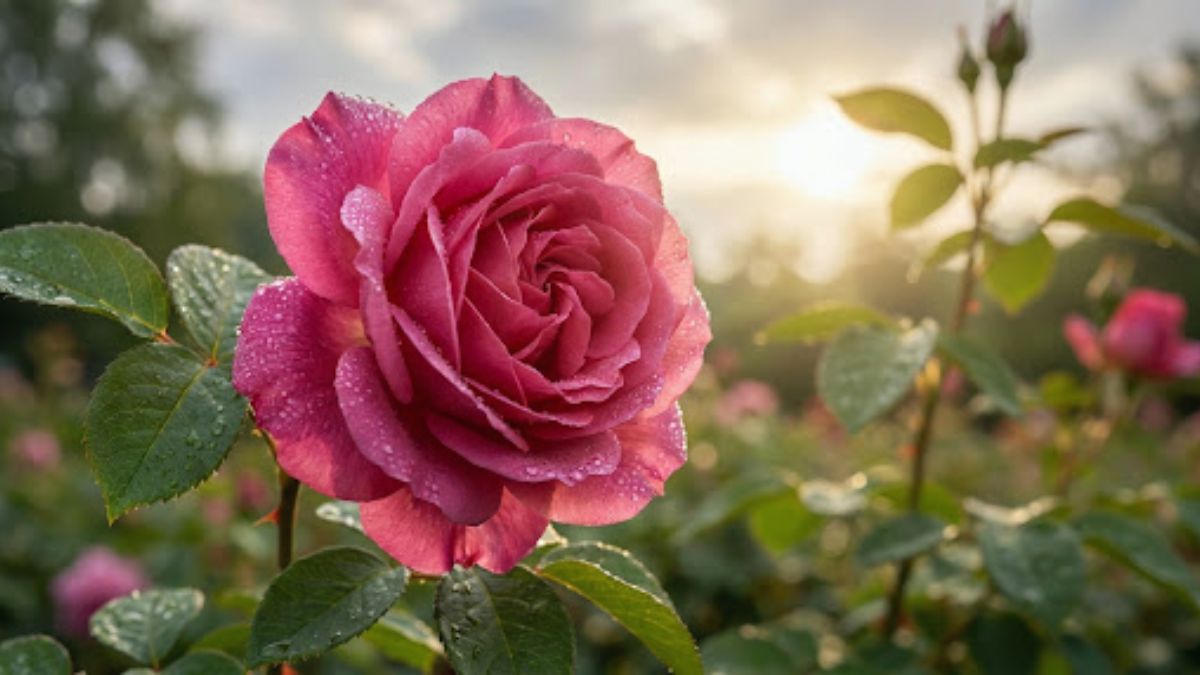
A rose may smell stronger on one day than another, even when the flowers come from the same plant. Temperature, sunlight, humidity, and wind can all influence how fragrance is produced and perceived.
Warm conditions can increase the evaporation of certain scent compounds, making a flower's fragrance more noticeable. However, excessive heat can stress a rose and shorten the life of its blooms. Very hot weather may also change the balance of scent compounds released by the flower.
Cool mornings can be a good time to enjoy roses because the air is often calmer and the flowers have not yet experienced the day's strongest heat. Some blooms may smell particularly rich at this time, although the pattern varies by variety and weather.
Wind has another effect. Even a strongly scented rose may be difficult to smell in an exposed garden because moving air carries fragrance away quickly. In a sheltered spot, the scent may remain noticeable for longer.
Humidity can influence how people perceive fragrance, too, but it does not affect every rose in the same way. There is no universal rule that all roses smell strongest at a particular temperature or time of day.
Do All Colors of Roses Have the Same Fragrance?
Rose color alone does not reliably predict fragrance. A red rose is not automatically more fragrant than a yellow, pink, or white one.
Certain varieties within particular color groups may share recognizable scent characteristics, but the relationship is not consistent enough to use color as a dependable guide. Two red roses can smell completely different, and a pale pink variety may have a much stronger perfume than a deep red bloom.
The scent profile is determined by the combination of compounds produced by the flower, which is influenced by its genetic background. Some roses have a traditional sweet rose fragrance, while others have hints of lemon, apple, clove, honey, or other notes.
If fragrance matters more to you than color, choose the variety first and treat flower color as a secondary preference. Visiting a nursery when roses are blooming gives you an opportunity to smell the flowers before buying, when that option is available.
Which Roses Are Worth Growing for Their Fragrance?
Several rose groups are well known for their scent. Damask roses have a classic, rich fragrance and are valued for their traditional perfume. Some old garden roses, including centifolia types, are also prized for their strong scent.
Among modern garden roses, varieties such as 'Gertrude Jekyll' are often praised for their powerful old-rose fragrance. 'Mister Lincoln' is another widely recognized fragrant rose, known for its deep red flowers and rich scent.
These varieties have different growth habits and growing requirements, so check whether a particular rose suits your climate, available space, and gardening experience. A rose that performs beautifully in a mild coastal garden may need different care in a hot, dry region or a cold northern state.
Sunlight, suitable soil, watering, and good air circulation all contribute to healthy growth. Most garden roses need several hours of direct sunlight to flower well, although the ideal conditions vary by cultivar and local climate.
A healthy plant is more likely to produce attractive blooms, but even excellent care cannot make a naturally low-fragrance variety smell like a strongly scented rose.
Can You Make Your Roses Smell Stronger?
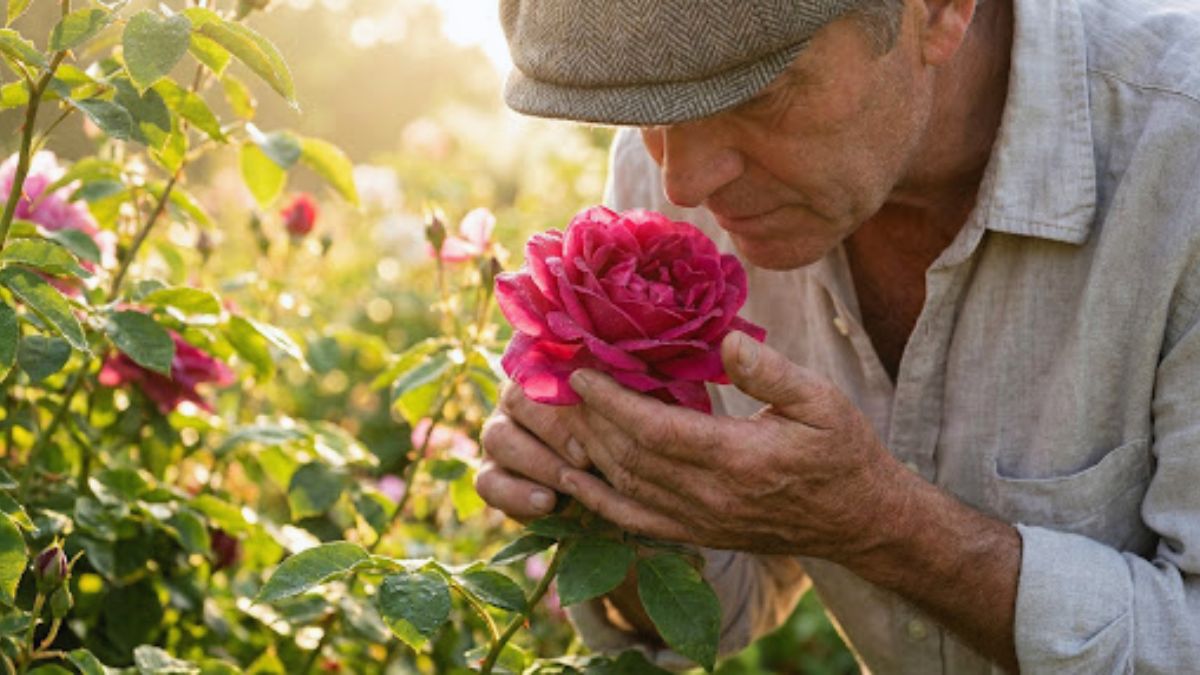
You cannot completely change the fragrance programmed into a rose's genetics, but you can help the plant grow well enough to produce its best blooms.
Start by giving the rose suitable sunlight and well-drained soil. Water deeply when needed, especially during dry weather, and avoid keeping the root zone constantly waterlogged. Use fertilizer according to the plant's needs and avoid excessive nitrogen, which can encourage leafy growth at the expense of balanced flowering.
Regularly inspect your rose for pests and diseases. Healthy leaves support the plant's ability to grow and bloom, while severe stress can reduce flowering and overall performance.
Timing also matters when you want to enjoy the scent. Smell the flowers at different times of day and under different weather conditions. You may discover that your particular variety has a more noticeable fragrance during calm mornings or mild afternoons.
If you want fragrant cut roses indoors, harvest suitable blooms when they have opened enough to release their scent, and place them in a clean vase away from extreme heat. Keep in mind that fragrance can change as the flowers mature and that some varieties retain their scent better after cutting than others.
The Secret to Choosing Roses That Smell Wonderful
The strongest-smelling rose is not necessarily the largest, brightest, or most expensive one. Its fragrance comes from a combination of genetics, flower chemistry, and growing conditions.
If you want a garden full of perfume, look beyond the flower's appearance and choose varieties with a documented reputation for fragrance. Damask roses, certain old garden roses, 'Gertrude Jekyll', and 'Mister Lincoln' are useful starting points for further research.
With the right variety and suitable growing conditions, roses can offer something that photographs cannot capture: a fragrance that makes you pause and enjoy the garden.