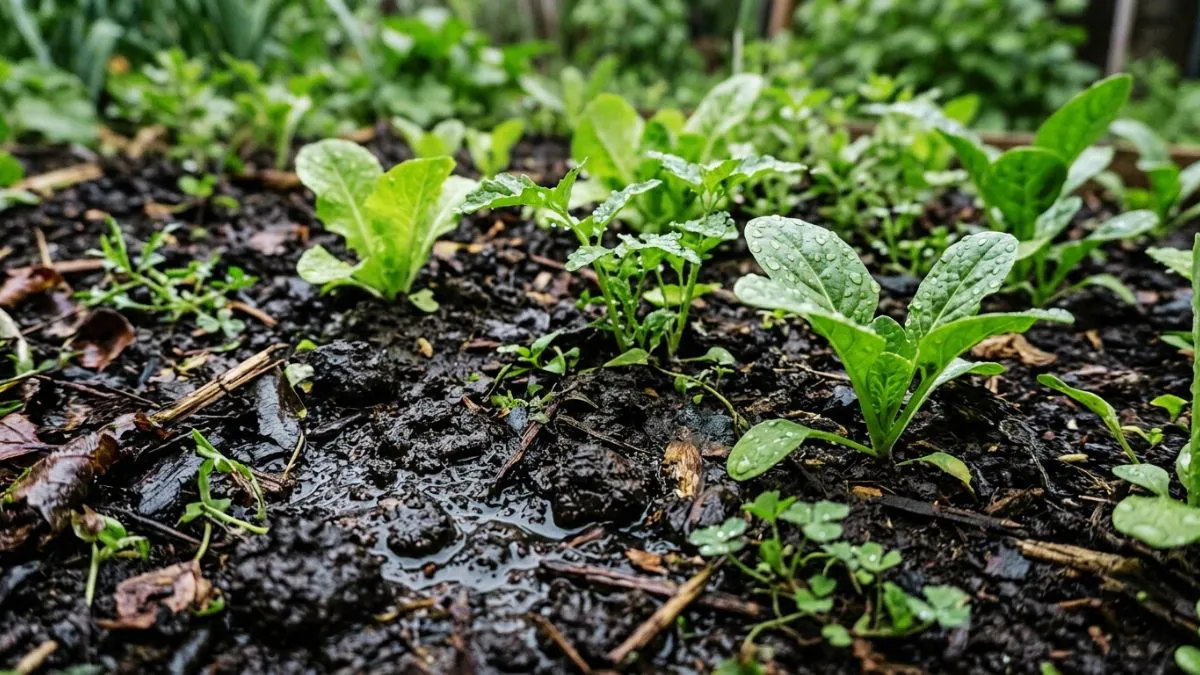
There is a particular smell that appears when rain finally reaches dry garden soil. It can be earthy, fresh, almost sweet, and strong enough to make you stop in the middle of the yard and take a deeper breath.
That smell is not your imagination. It comes from a combination of natural compounds released from the soil, plants, and microorganisms, and rain helps carry those compounds into the air.
One of the most important contributors is a compound called geosmin, which is produced by certain soil microorganisms. Another part of the familiar scent comes from plant oils and other organic compounds that can accumulate on the ground during dry weather.
Together, these ingredients create the smell many people associate with a garden after rain.
The Smell Has a Name
The earthy scent associated with rain is often called petrichor.
The term describes the characteristic smell that can appear when rain falls on dry soil or rock. It was coined by researchers in the 1960s who were studying the chemistry behind the scent.
Petrichor is not caused by one single substance. It is a mixture of compounds, and the exact smell can vary depending on the soil, vegetation, weather, and microorganisms present.
That explains why rain can smell slightly different in a vegetable garden, a wooded area, a lawn, or a dry roadside.
The garden soil itself has its own chemistry, and rain changes how those compounds move from the ground into the air.
Geosmin Is One of the Main Reasons Soil Smells Earthy
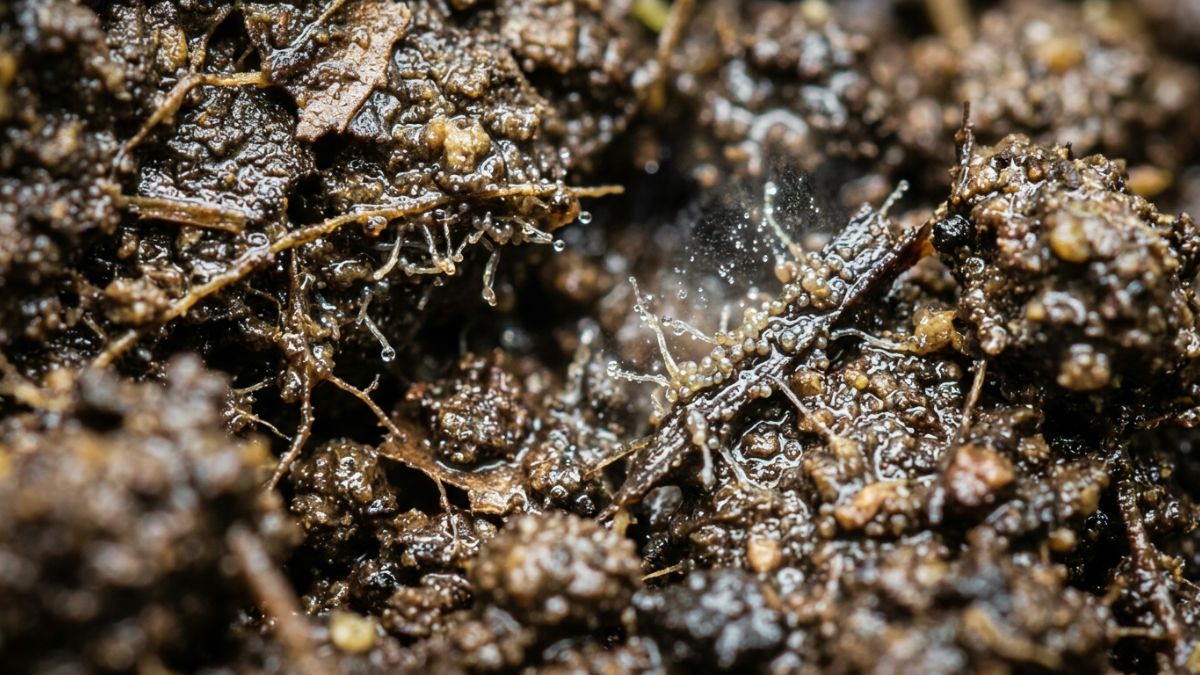
If you have ever opened a bag of potting mix or dug into rich garden soil and noticed a distinctive earthy smell, geosmin is part of the reason.
Geosmin is an organic compound produced by certain bacteria, particularly microorganisms in the group known as Actinobacteria.
These organisms are normal inhabitants of healthy soils. They help break down organic material and contribute to the complex biological activity that takes place underground.
When soil becomes wet, geosmin can become more noticeable.
Humans are remarkably sensitive to this compound. Even very small amounts can produce the earthy smell that people recognize after rain.
This sensitivity may help explain why the scent can seem surprisingly strong even when there is only a small amount of the compound in the environment.
Why Does Rain Make the Smell Stronger?
Dry soil can contain many compounds without releasing much of their scent into the surrounding air.
Rain changes that.
When raindrops hit dry ground, they disturb the surface and interact with particles, organic material, and microorganisms. The impact can help release tiny airborne droplets and particles containing volatile compounds.
Those compounds then reach your nose.
The effect is particularly noticeable after a period of dry weather followed by rain. During the dry period, certain plant oils and microbial compounds can accumulate near the soil surface. When rain arrives, they can suddenly become airborne.
The first rainfall after a long dry spell can therefore produce a much stronger smell than a rainy day that follows several days of wet weather.
Raindrops Can Act Like Tiny Sprays
There is another fascinating part of the process.
When a raindrop hits a porous surface such as dry soil, it can trap tiny air bubbles beneath the surface. Those bubbles may rise and burst, releasing microscopic droplets into the air.
Researchers have observed that this process can help transport organic compounds and microorganisms from wet soil into the atmosphere.
You cannot see most of these particles, but your nose can detect some of the compounds they carry.
This is one reason the smell can seem to rise from the ground almost immediately after rain begins.
The harder the rain falls, the more complicated the interaction becomes. Soil texture, moisture level, rainfall intensity, and surface conditions all influence how many compounds become airborne.
Plants Add Their Own Contribution
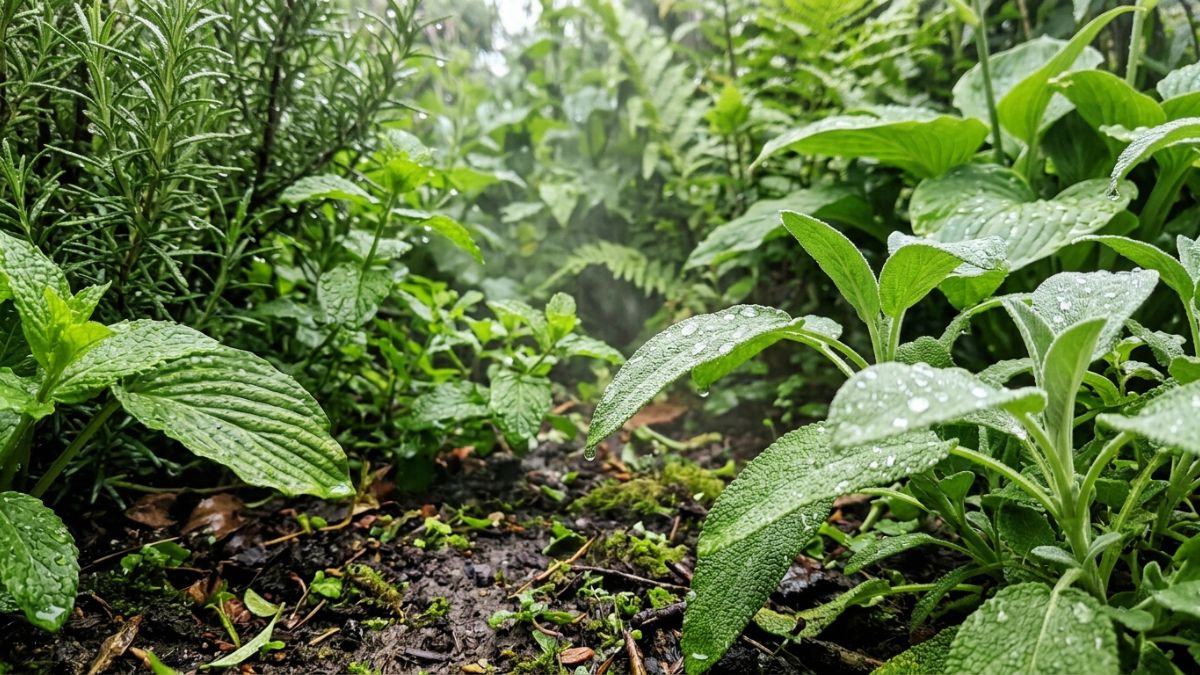
The smell after rain does not come entirely from soil.
Plants also contribute.
During dry periods, vegetation can release oils and other compounds that accumulate on leaves, stems, and surrounding surfaces. Some of these compounds eventually reach the ground.
When rain arrives, the water can wash and redistribute them.
Certain plant-derived oils are believed to contribute to the characteristic smell associated with petrichor. This is particularly noticeable in areas with abundant vegetation.
That means the scent of rain in a garden is partly a reflection of what has been growing there.
A vegetable garden, pine-covered landscape, flower bed, and grassy lawn can each produce a somewhat different version of the familiar post-rain smell.
Healthy Soil Is Full of Life
That wonderful earthy smell is also a reminder that soil is much more than dirt.
A healthy garden soil contains bacteria, fungi, insects, worms, plant roots, decaying organic matter, minerals, air, and water. All of these components interact constantly.
Microorganisms are especially important because they help decompose organic material and recycle nutrients.
When leaves, roots, and other plant material break down, microorganisms transform them into simpler compounds that can eventually become available to plants.
The smell of wet soil can therefore be a sensory reminder of an active biological system beneath your feet.
However, smell alone is not a reliable test of soil health. Good soil can have different aromas depending on its organic matter, moisture, and microbial community.
Likewise, a bad smell does not automatically mean your soil is unhealthy.
Why Does Wet Soil Smell Different From Dry Soil?
Moisture changes the chemistry and movement of compounds in the soil.
Water can dissolve some substances, move others through soil pores, and help release volatile compounds into the air. At the same time, wet soil changes the activity of microorganisms and the way gases move through the spaces between soil particles.
This is why the same patch of soil can smell almost completely different after rainfall.
Dry soil may have a faint earthy scent that is difficult to notice. After rain, the same area can suddenly become much more aromatic.
The difference is not necessarily because the soil suddenly developed new compounds. Many of them were already present. Rain simply changes how they interact with the environment and how easily they reach your nose.
Why Does the Smell Feel So Fresh?
Part of the appeal comes from the combination of earthy compounds with the overall environmental changes that accompany rainfall.
Rain cools surfaces, increases humidity, washes dust from leaves, and changes the way scents move through the air.
After a dry period, the contrast can be dramatic.
The garden may look brighter, the soil becomes darker, leaves become wet, and the air can feel noticeably different. The earthy scent is one part of this larger sensory change.
There is also a psychological component. For many people, the smell of rain is associated with gardens, forests, summer storms, or other familiar outdoor experiences.
That can make the scent feel particularly pleasant even though the chemistry itself is doing the work.
Does Rain Always Make Soil Smell Good?
Not necessarily.
The familiar earthy smell is associated with oxygen-rich, biologically active soil and natural organic compounds. But soil can also develop unpleasant odors under different conditions.
For example, soil that stays saturated for long periods can become oxygen-poor. Certain microorganisms thrive under those conditions and can produce compounds with unpleasant smells.
This is one reason poorly drained garden areas can sometimes smell sour, rotten, or swampy rather than fresh and earthy.
If a garden bed consistently smells foul after watering or rainfall, drainage may be worth investigating.
The pleasant smell of rain and soil is therefore not simply a matter of "wet dirt." The biology and chemistry of the soil determine what your nose detects.
The Smell Can Tell You Something About Your Garden
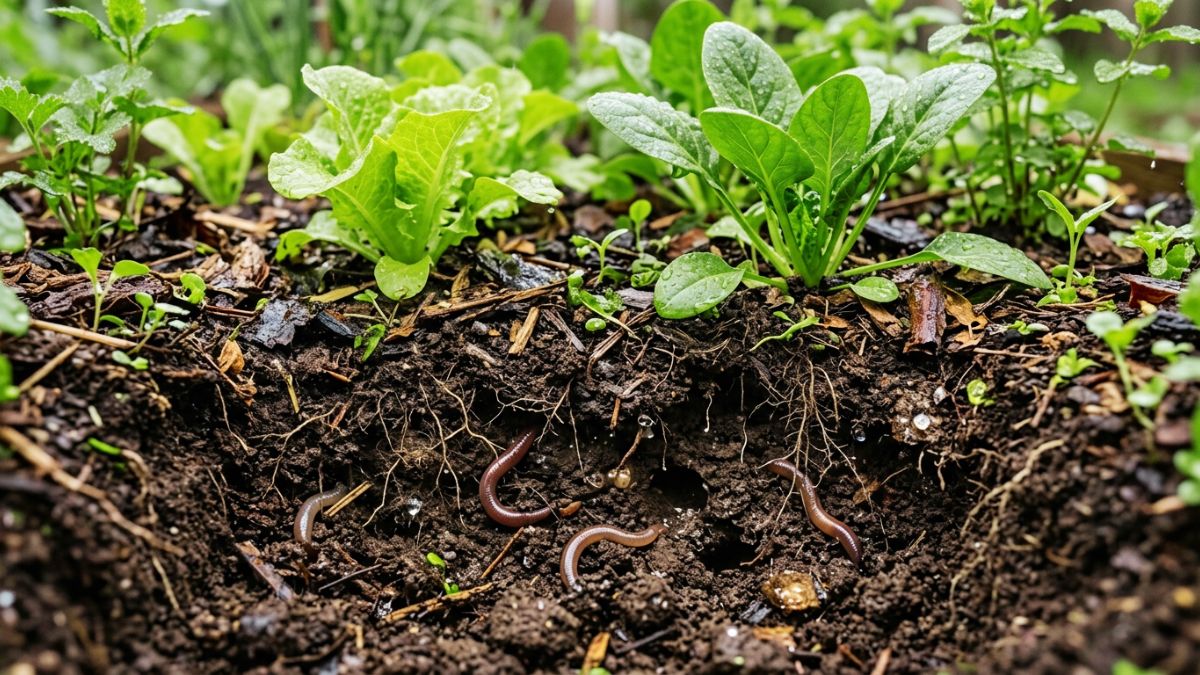
While you should never judge soil quality by smell alone, paying attention to changes in scent can be useful.
A healthy garden has an active biological community, and organic matter is constantly being broken down and transformed. When rain arrives, that living system interacts with water in ways that can produce the earthy aromas gardeners recognize.
This is one reason adding organic matter to garden soil can change its smell over time.
Compost, decomposing leaves, plant roots, and other organic materials support microbial activity and contribute to the complex mixture of compounds found in healthy soil.
The goal is not to make soil smell a certain way. The goal is to create a soil environment where plants, microorganisms, air, water, and organic matter can work together.
That Earthy Smell Is a Sign of a Much Bigger Process
The next time rain falls on your garden after a dry stretch, that familiar smell is more than just the scent of wet dirt.
You are smelling the interaction between rain, soil microorganisms, plant compounds, organic matter, and the physical structure of the ground.
Geosmin produced by soil microorganisms contributes the unmistakable earthy note. Plant oils and other organic compounds add complexity, while raindrops help carry these substances into the air.
The result is a smell humans can detect with remarkable sensitivity.
For gardeners, it is one of the simplest ways to experience the hidden life of soil. Beneath every garden bed is a living system that is constantly decomposing, recycling, growing, and changing.
Rain simply gives your nose a chance to notice it.