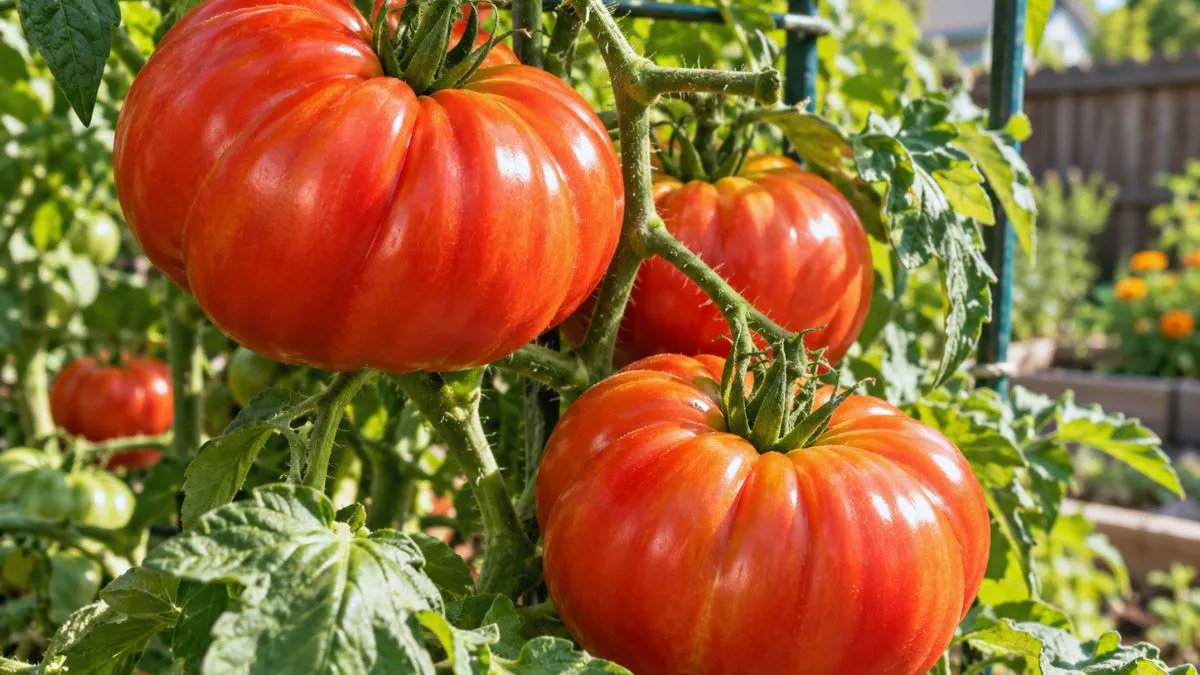
If your tomato plants are healthy but the fruit stays smaller than expected, fertilizer may not be the first thing to change. Tomato size depends on genetics, sunlight, water availability, root space, temperature, and nutrition working together.
A fertilizer with adequate potassium can support fruit development, but adding extra potassium to an already well-fed plant will not automatically produce larger tomatoes. Too much nitrogen can even move the plant in the opposite direction by encouraging excessive foliage instead of fruit.
The best fertilizer for larger tomatoes is one that supplies the nutrients the plant needs without creating an imbalance. For gardeners growing tomatoes in containers, that balance becomes even more important because the plant has access to a limited amount of growing medium.
Choose a Tomato Fertilizer With Moderate Nitrogen
The three numbers on a fertilizer label represent nitrogen, phosphorus, and potassium, usually shown as N-P-K.
Nitrogen supports leafy and stem growth. Phosphorus is involved in root development and reproductive growth, while potassium supports several processes related to water movement, plant metabolism, and fruit development.
For tomatoes, avoid choosing a fertilizer simply because it has the highest numbers. A product with excessive nitrogen can produce a large, dark-green plant without producing correspondingly large fruit.
A fertilizer formulated for vegetables or tomatoes with a moderate nitrogen level is usually a better starting point than a high-nitrogen lawn or foliage fertilizer.
The exact N-P-K ratio is less important than matching the fertilizer to the needs of the plant and following the product's application instructions.
Does Potassium Make Tomatoes Bigger?
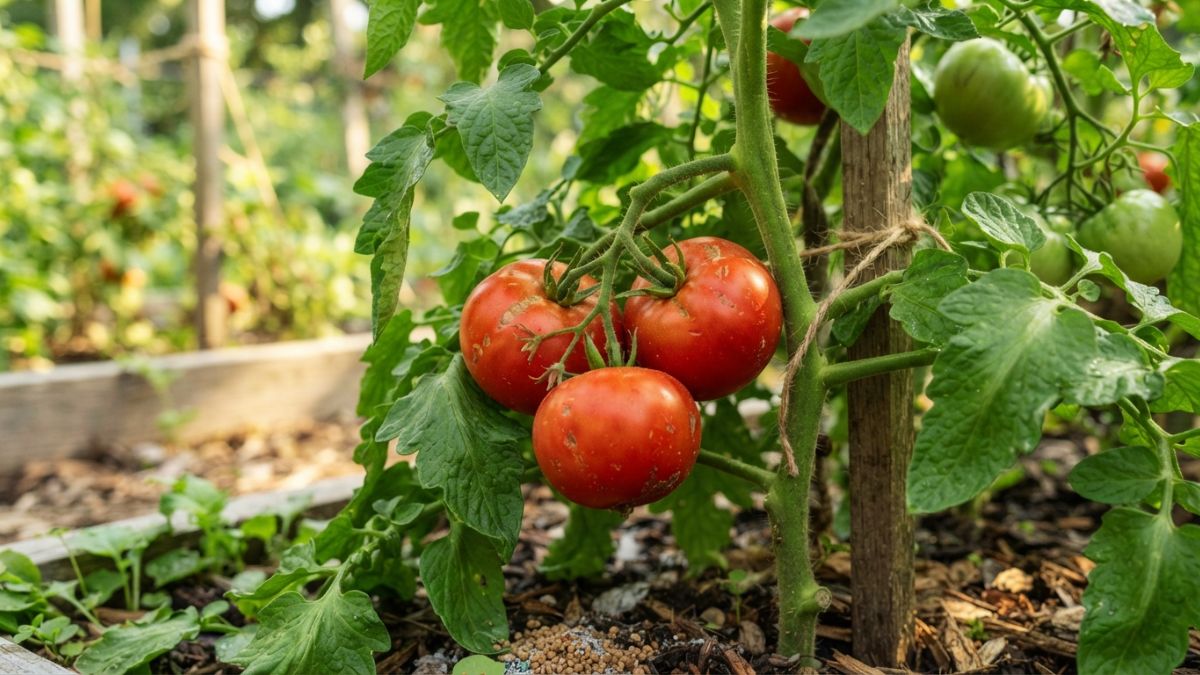
Potassium is closely associated with fruit development, which is why it is often marketed as a nutrient for larger tomatoes.
But potassium does not work like a tomato-size switch.
If the soil or potting mix already contains enough potassium, adding more may provide little or no benefit. Excess nutrients can also create imbalances that interfere with the plant's ability to take up other nutrients.
The better approach is to provide adequate potassium as part of a complete fertilizer program rather than adding large amounts of potassium on its own.
If a soil test shows a potassium deficiency, correcting that deficiency can improve plant growth and fruit development. Without a deficiency, adding extra potassium simply because you want bigger tomatoes is unlikely to deliver the result you expect.
Avoid Too Much Nitrogen
One of the most common fertilizer mistakes with tomatoes is applying too much nitrogen.
Nitrogen encourages vegetative growth. A tomato plant receiving excessive nitrogen may develop thick stems, abundant leaves, and vigorous shoots while producing fewer flowers or setting less fruit.
This can be especially frustrating because the plant looks exceptionally healthy.
If your tomato plant is enormous but the fruit is sparse or small, adding more fertilizer is not necessarily the answer. Check the fertilizer you are already using and consider whether the plant is receiving more nitrogen than it needs.
Tomatoes need nitrogen throughout their growth, but the goal is balanced nutrition rather than maximum leaf production.
Water Has a Major Effect on Tomato Size
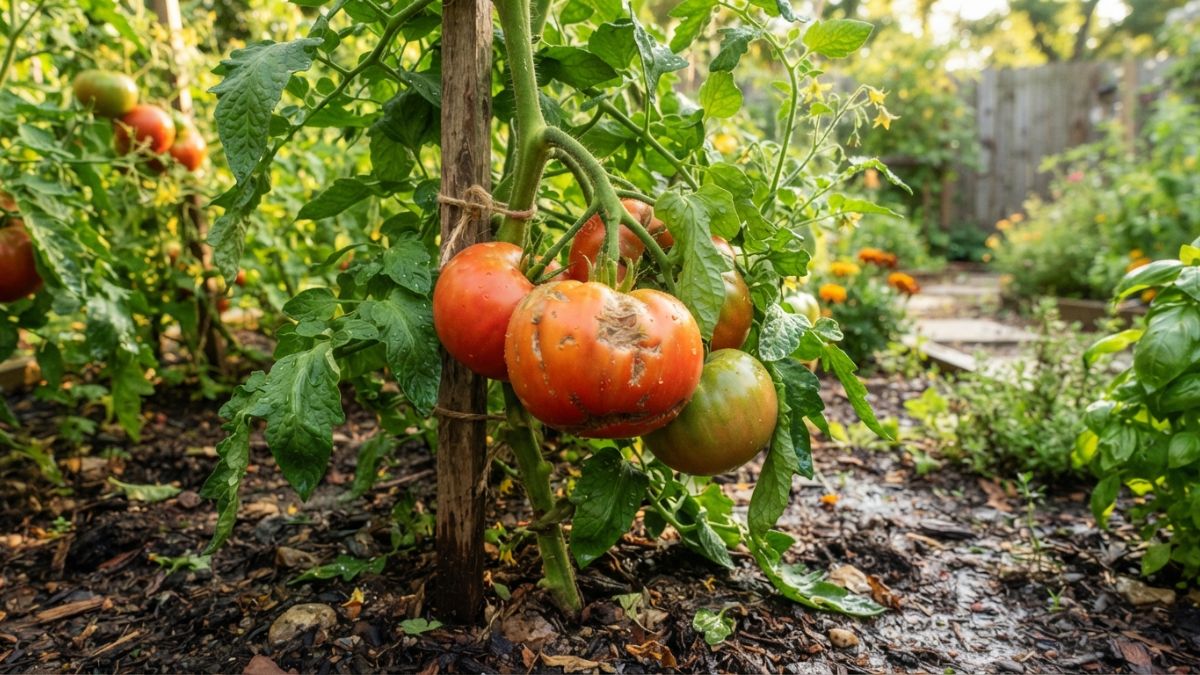
A tomato cannot reach its potential size if the plant repeatedly runs short of water.
Developing fruit contains a large amount of water, and the plant needs a steady supply to move water and nutrients from the roots into the growing fruit.
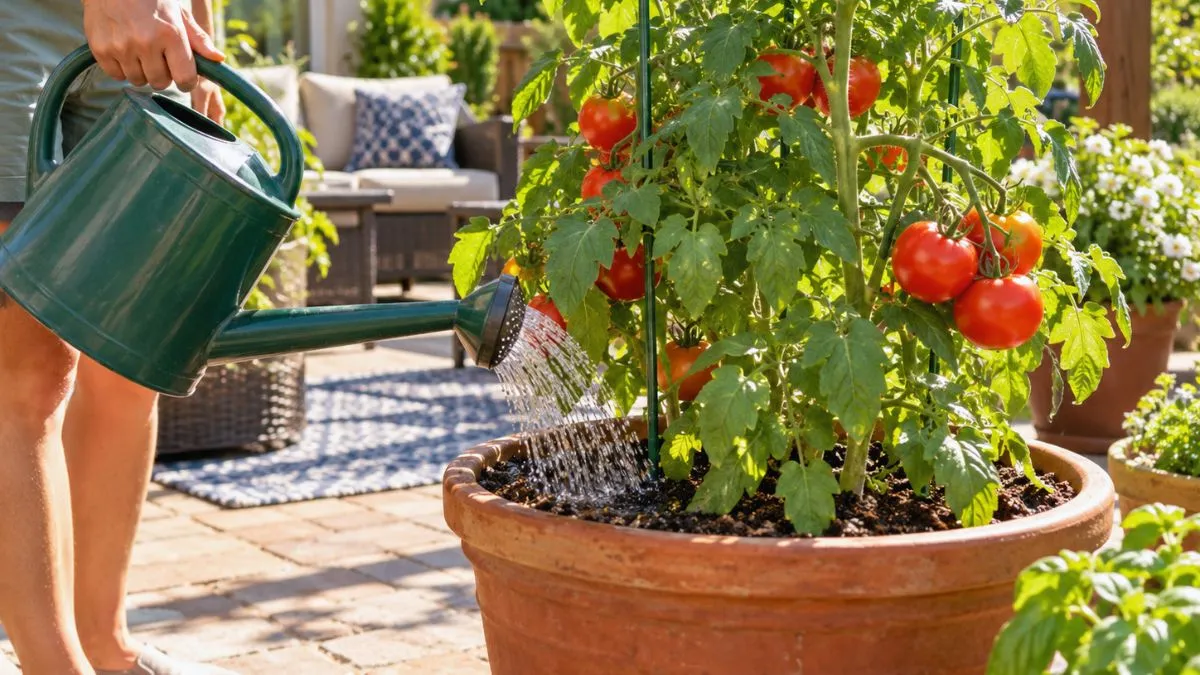
This is particularly important for tomatoes grown in containers. A pot can dry out much faster than garden soil, especially during hot summer weather.
Check the growing medium regularly. When the upper portion becomes dry, water thoroughly until excess water drains from the bottom of the container.
Do not allow the plant to become severely dry and then flood it. Large swings between drought and excessive moisture can stress the plant and contribute to problems such as fruit cracking and blossom-end rot.
Consistent moisture gives the plant a better chance of filling out developing fruit.
The Variety Determines How Large the Tomato Can Become
Fertilizer cannot turn a cherry tomato into a beefsteak.
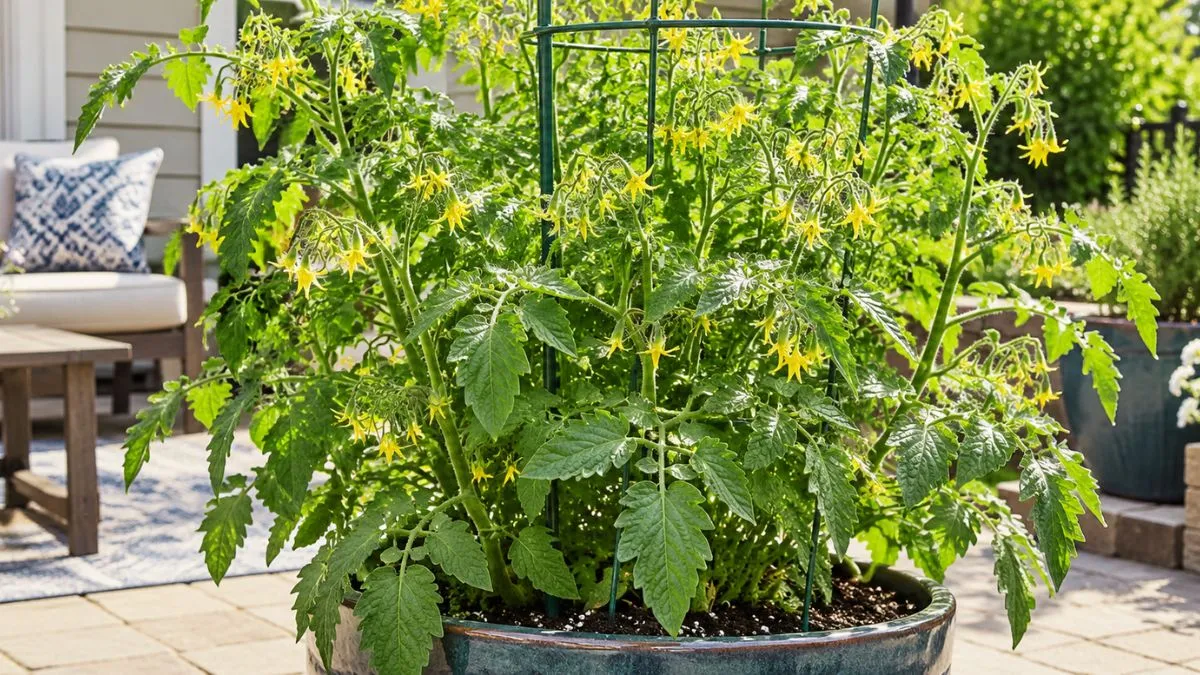
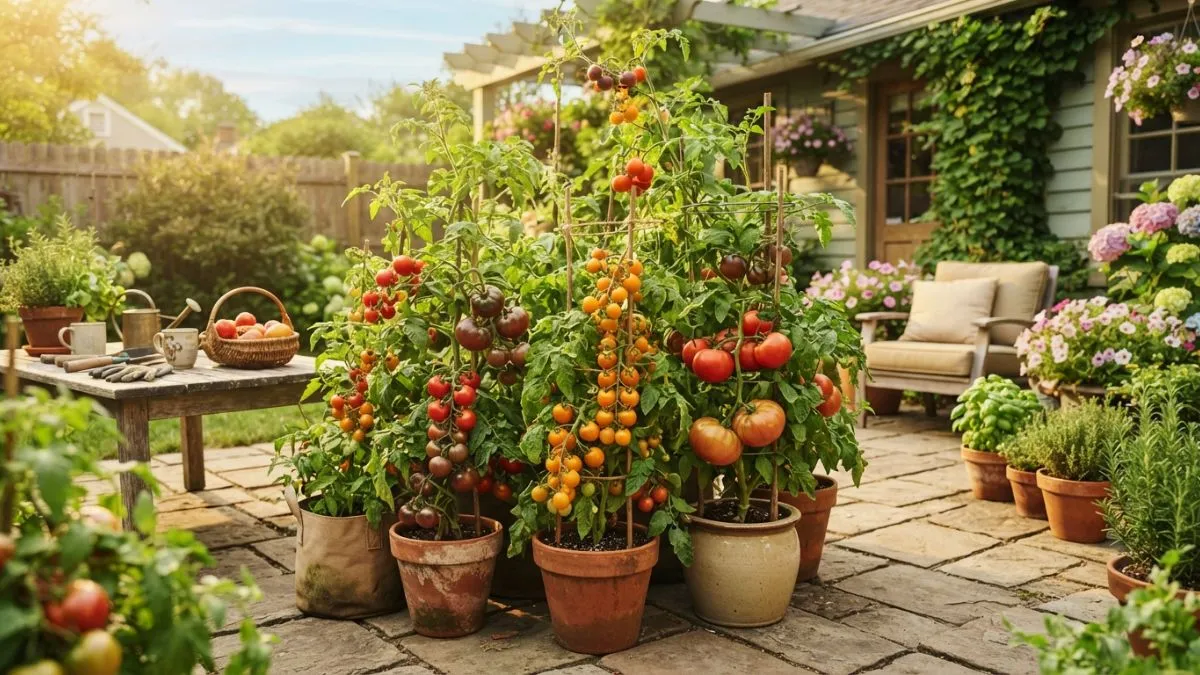
Tomato varieties have different genetic limits for fruit size. Some are bred to produce small cherry fruit, while others can produce tomatoes weighing a pound or more under favorable conditions.
If large tomatoes are your goal, start with a variety known for producing large fruit. Beefsteak and other large-fruited varieties generally have much greater size potential than compact cherry varieties.
This also explains why two plants receiving exactly the same fertilizer can produce very different-sized tomatoes.
Before trying to change your fertilizer, check what the variety is supposed to produce.
Give Large-Fruited Tomatoes Enough Root Space
Root space matters because a large plant needs access to water and nutrients throughout the growing season.
For container tomatoes, a very small pot can restrict the root system and make moisture management difficult. A larger container provides more growing medium and gives the plant a larger reservoir of water and nutrients.
Large-fruited varieties can be particularly demanding because developing tomatoes place a substantial load on the plant.
A container of at least 5 gallons can work for many tomato plants, while vigorous varieties often perform better in larger containers. The exact requirement depends on the variety and its mature size.
Sunlight Can Limit Fruit Size
Tomatoes need strong sunlight to produce the energy required for growth and fruit development.
A plant growing in insufficient light may produce thin growth, fewer flowers, and smaller fruit. Moving a container to a brighter location can sometimes make a bigger difference than changing fertilizers.
Aim for a location that receives around six to eight hours of direct sunlight when conditions allow.
In very hot regions of the United States, extreme afternoon heat creates a different challenge. Excessive heat can interfere with fruit set and stress the plant, so providing some protection from the harshest afternoon conditions may help while still maintaining adequate overall sunlight.
Feed According to the Plant's Needs
There is no need to increase fertilizer every time the tomatoes appear small.
Start with a fertilizer appropriate for tomatoes or vegetables and follow the label rate. Container-grown tomatoes may need supplemental feeding because frequent watering can move nutrients through the growing medium.
If the plant is growing well, flowering, and setting fruit, continue following the recommended feeding schedule rather than increasing the dose in an attempt to make individual tomatoes larger.
If growth is poor or the leaves show unusual symptoms, the cause may be a nutrient deficiency, root problem, insufficient light, watering issue, or disease. Fertilizer should not be used as a universal fix.
When Should You Fertilize Tomatoes for Bigger Fruit?
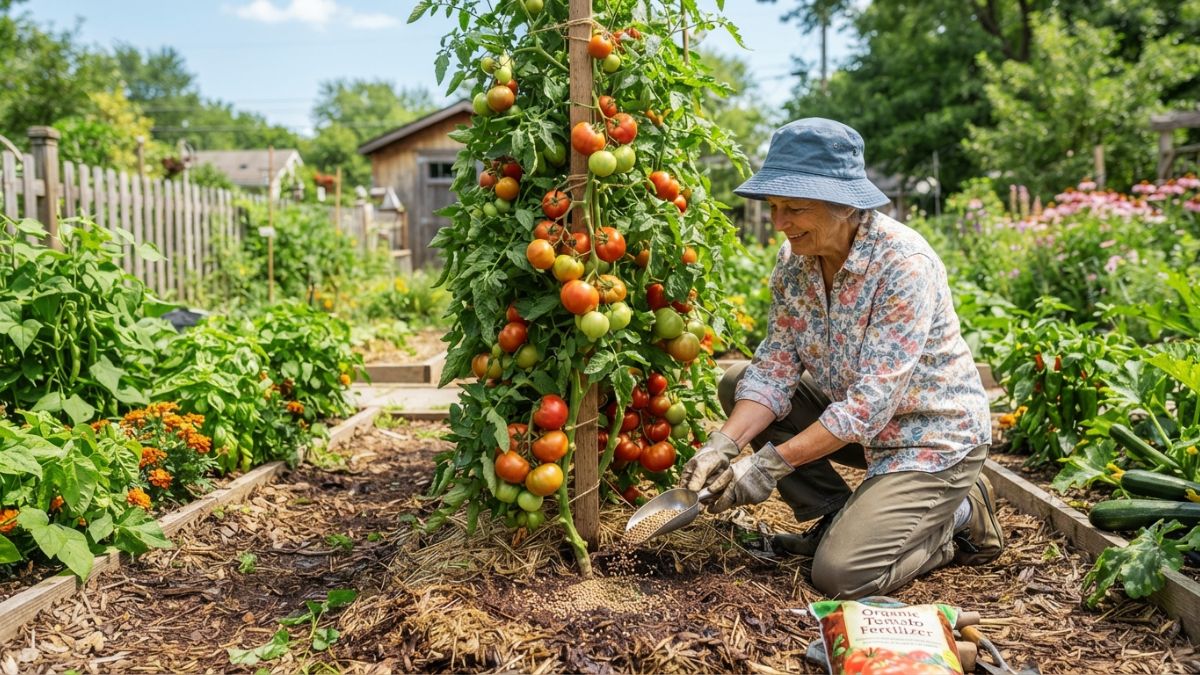
The plant needs nutrients throughout its life, but fertilizer timing should follow the product instructions and the stage of growth.
A tomato transplant may not need heavy feeding immediately if it is planted into a nutrient-rich potting mix. Once the plant becomes established and begins active growth, regular feeding may become necessary, particularly in containers.
When flowers and fruit appear, maintaining adequate nutrition and water becomes more useful than suddenly applying a large dose of fertilizer.
The objective is steady growth rather than a sudden nutrient boost.
The Best Way to Grow Bigger Tomatoes
If your goal is larger tomatoes, start with the variety. Then give the plant enough sunlight, root space, water, and balanced nutrition.
Use a tomato fertilizer with adequate potassium and moderate nitrogen, but do not assume that a fertilizer with more potassium will automatically produce larger fruit. Correct actual nutrient deficiencies rather than adding nutrients blindly.
For container gardeners, consistent watering is especially important. A large-fruited variety growing in a sufficiently large pot, receiving strong sunlight and steady moisture, has a much better chance of reaching its expected fruit size than a plant growing in a small, frequently dry container.
Fertilizer supports that process, but it cannot replace the basic conditions a tomato needs to grow and fill out its fruit.